


Meet the Director:
Luiz Whately
Luiz Whately (BALMA), was named Director of the Year 2026 at this year’s CICLOPE Latino Awards. He took us on the inspiring journey behind crafting a film that not only stood out to the Jury, but audiences in Brazil and beyond, with its message of shared humanity.
Congratulations on the success at this year’s CICLOPE Latino Awards! Can you walk us through the aims behind the Award-winning film KYIKATÊJÊ?
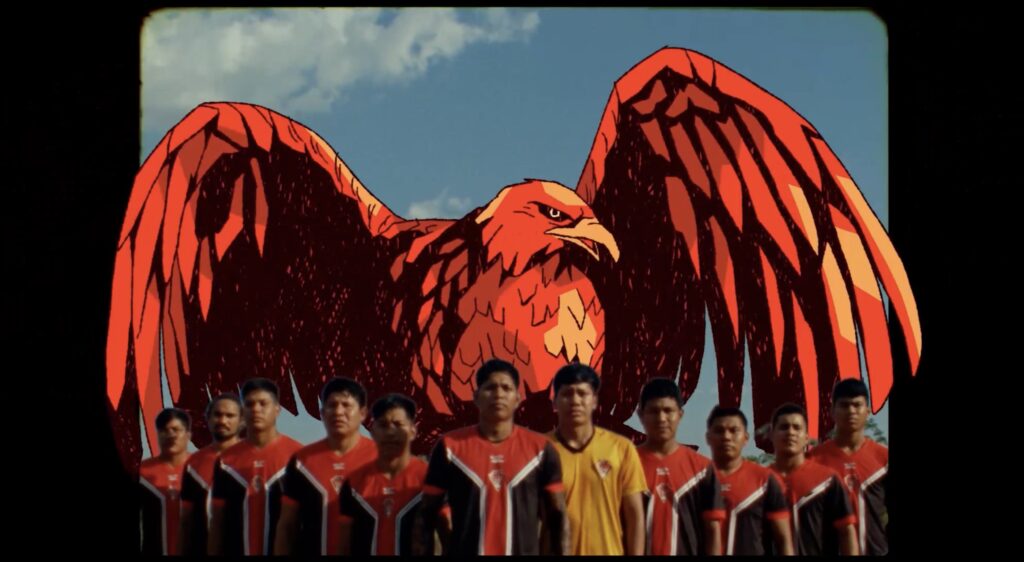
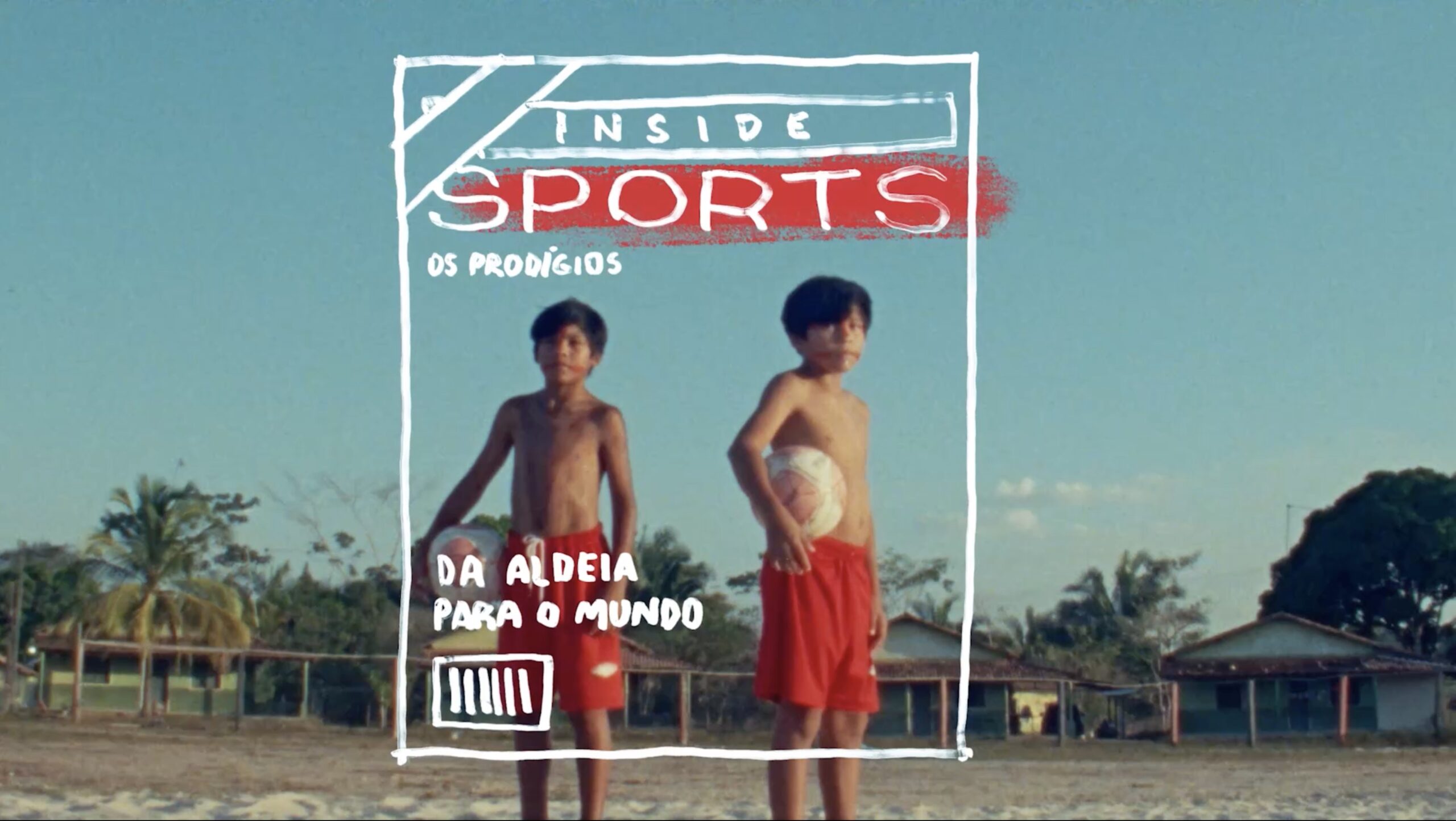
It all started because of a sentence. After a bad Palmeiras match, the team’s coach, Abel Ferreira, gave an interview saying the team had “played like a team of Indians.” The comment generated discomfort, discussion, and outrage. A creative friend of mine, Fukinho, was in touch with Zeca, an Indigenous leader and coach of Brazil’s first professional Indigenous football team, Gavião Kyikatejê, who were planning a response to the comment.
We assembled a minimal crew. Director, producer, cinematographer, and camera assistant. There was a very clear ambition: to make a film with cinematic language, far from the aesthetics of a traditional documentary. We wanted to treat that story with the same visual power as an advertising film. We spent five days living inside the village. As we got to know the people, listened to their stories, and understood that community’s relationship with football, we realized the film could no longer be just about responding to a prejudiced comment.
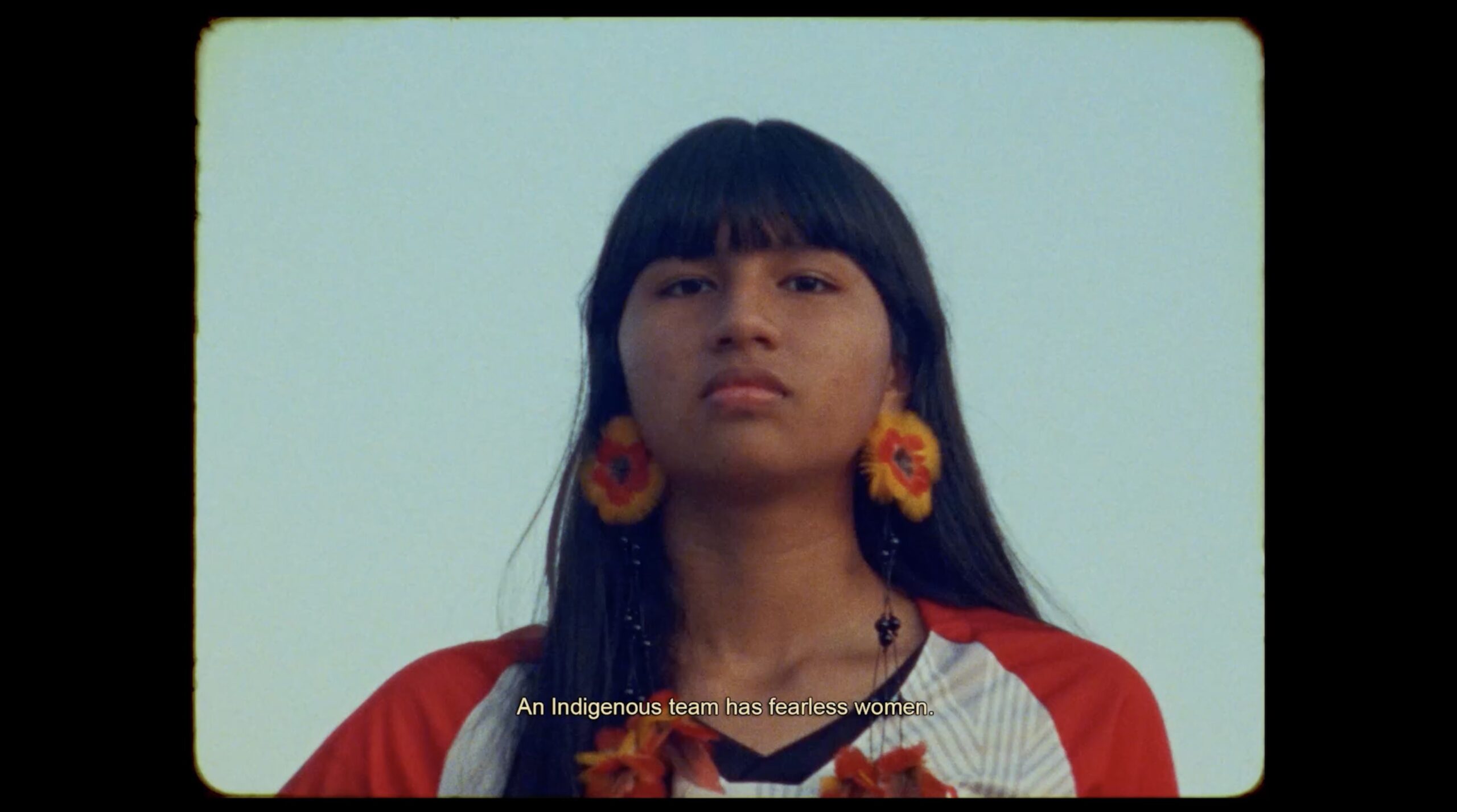
Gavião Kyikatejê had already reached the state’s first division twice. A massive achievement for an Indigenous team with no investment and no sponsorship. They managed to go far purely through the strength of the players. But they could never stay there. It felt like that team was always fighting against something invisible. During one of our conversations, Zeca said something that completely shifted the direction of the project: “Indigenous people in Brazil don’t have the right to dream. They are trapped in the image of the ‘Indian’ who lives in the forest. They can’t be lawyers, doctors, or football players.” The focus was no longer about answering someone. It was about creating something that could transform the reality of that team.
The film was successful in securing sponsorship for Gavião Kiykatejê F.C., an example of impactful craft that moves the needle. What was the process of creating the film?
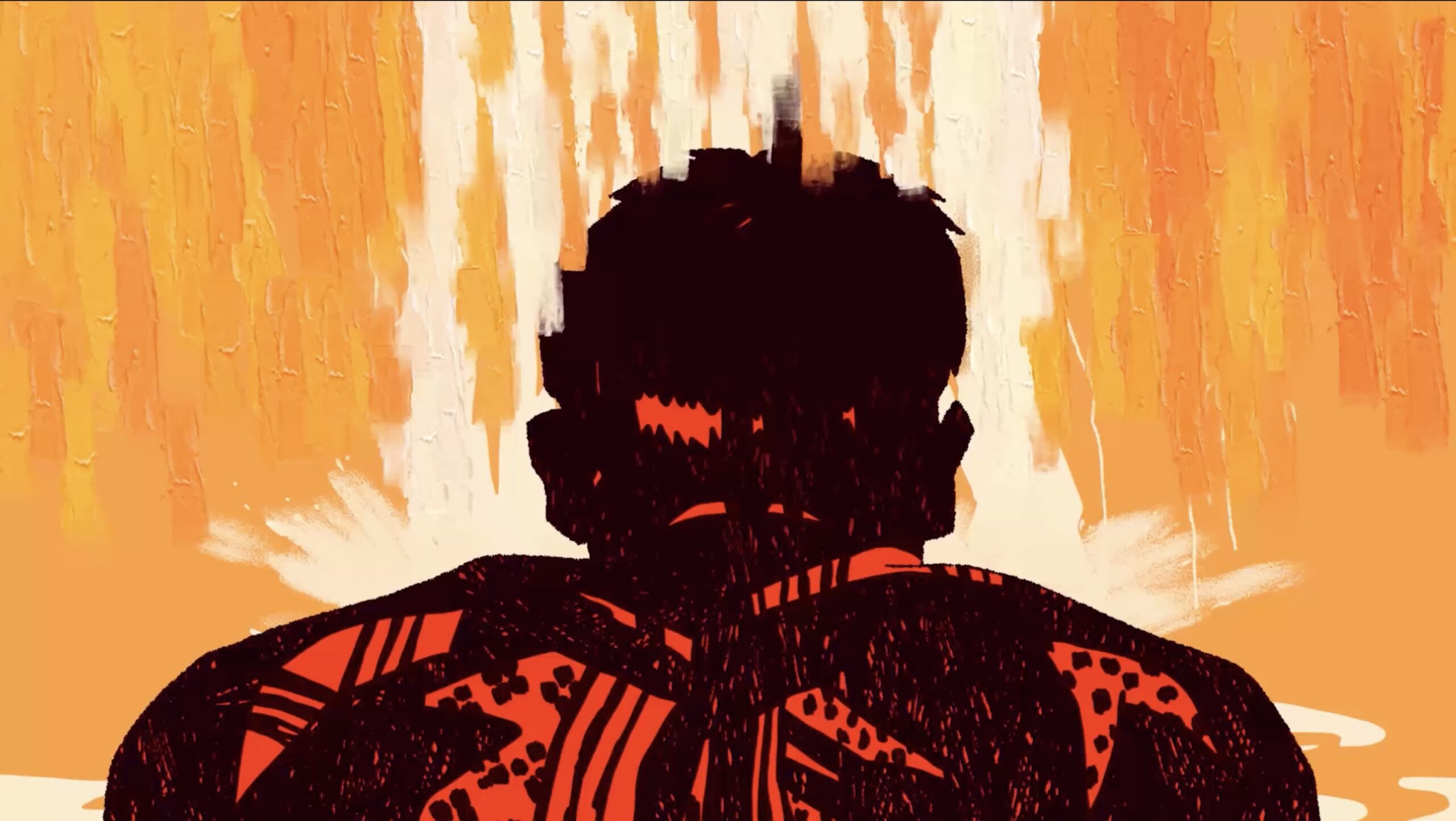
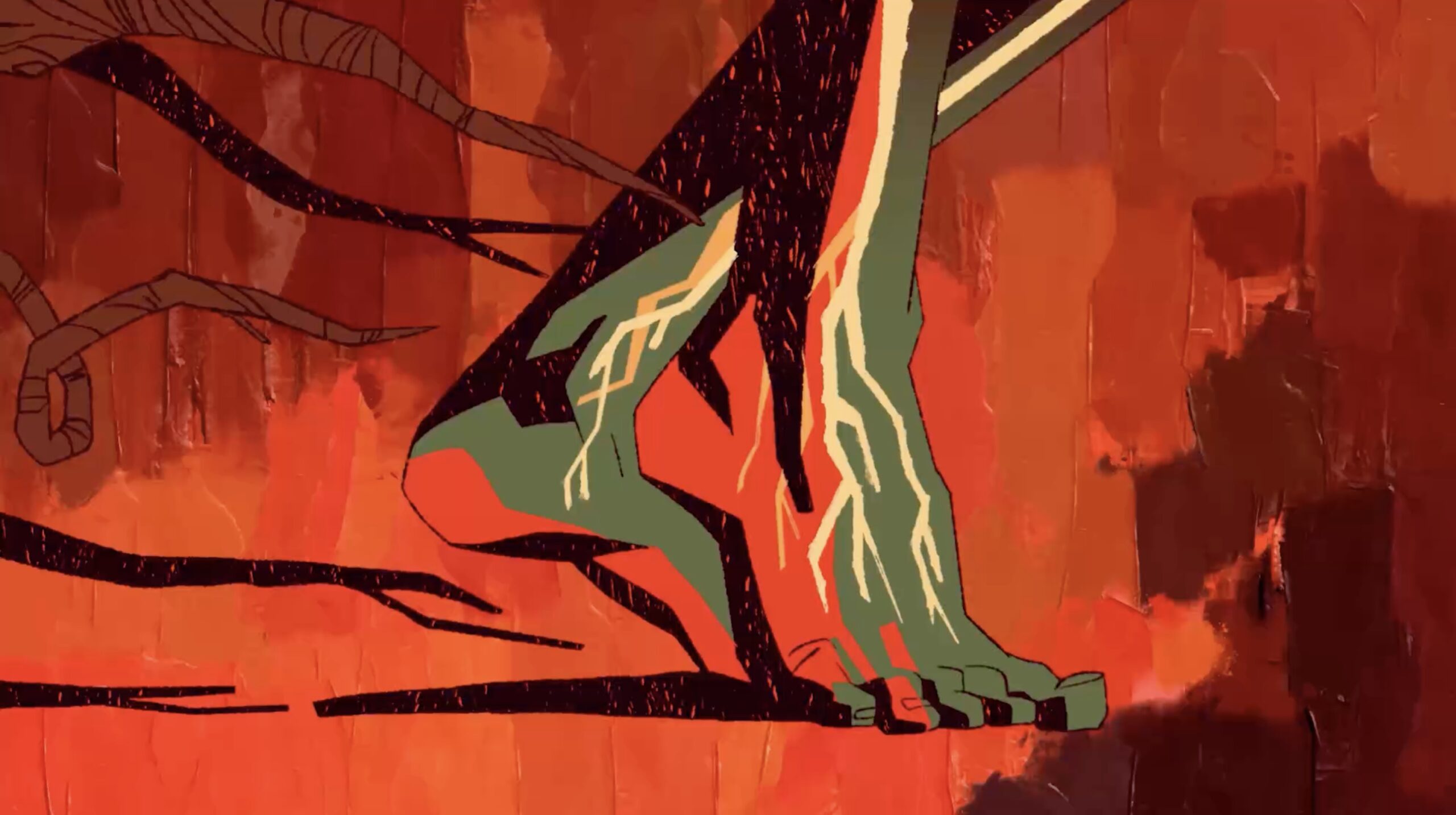
This film was literally BALMA’s very first project as a production company. And maybe because of that, there was a strong desire to create something with real impact. During editing, we felt there was a symbolic dimension that live action alone couldn’t fully reach. What started as a single animated scene with Dirty Work on board, eventually became a parallel narrative running throughout the entire film; blending reality and Indigenous imagination in a very organic way.
We spent several months immersed in post alongside incredible partners such as Bumblebeat on sound, Cuadro on post production, and the talented Acauan Pastore on color grading. Everything was collective. The score influenced the editing. The animation influenced the sound design. The film was shaped in a less hierarchical and much more horizontal way.
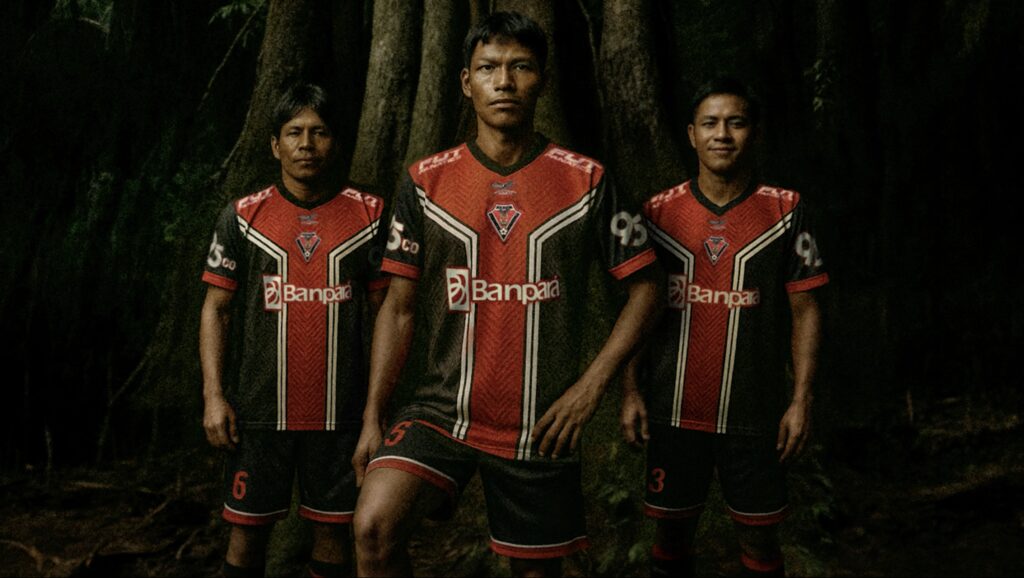
When we finished the project and started presenting it to brands and agencies, our hope was to release the film with a sponsor for the team. The meetings were great. The final responses, not so much. Everybody loved the film. But nobody wanted to invest. After months of hearing “this is incredible” without any results, we released the film on Brazil’s National Indigenous Peoples Day. And then something happened that nobody expected. The film started spreading very quickly. Influencers shared it. Sports TV shows talked about the story. Celebrities started wearing the team’s jersey.
Gavião Kyikatejê stopped being an unknown team from the countryside of Pará and became a symbol of a much bigger conversation about Indigenous representation in Brazil. Shortly after that, Banco do Pará signed an official sponsorship deal with the team. What started because of a prejudiced statement turned into a film that actually helped an Indigenous football team continue to exist.
What unexpected challenges led to decisions that ultimately made the film stronger?
The biggest lesson from this film was understanding that impact has no direct relationship with the size of the production. We didn’t have a huge budget, and knew we would need to compensate with smart creative decisions. We decided to embrace the limitations and turn them into language.
The main decision was simple: trade resources for time. Instead of bringing a huge crew to the village, we went with a minimal team and stayed there longer. That completely changed the project. Because it gave us something money can’t buy: coexistence. We had time to wait for the right light, observe people, understand the rhythm of that place, and allow the film to happen in front of the camera instead of trying to control everything.
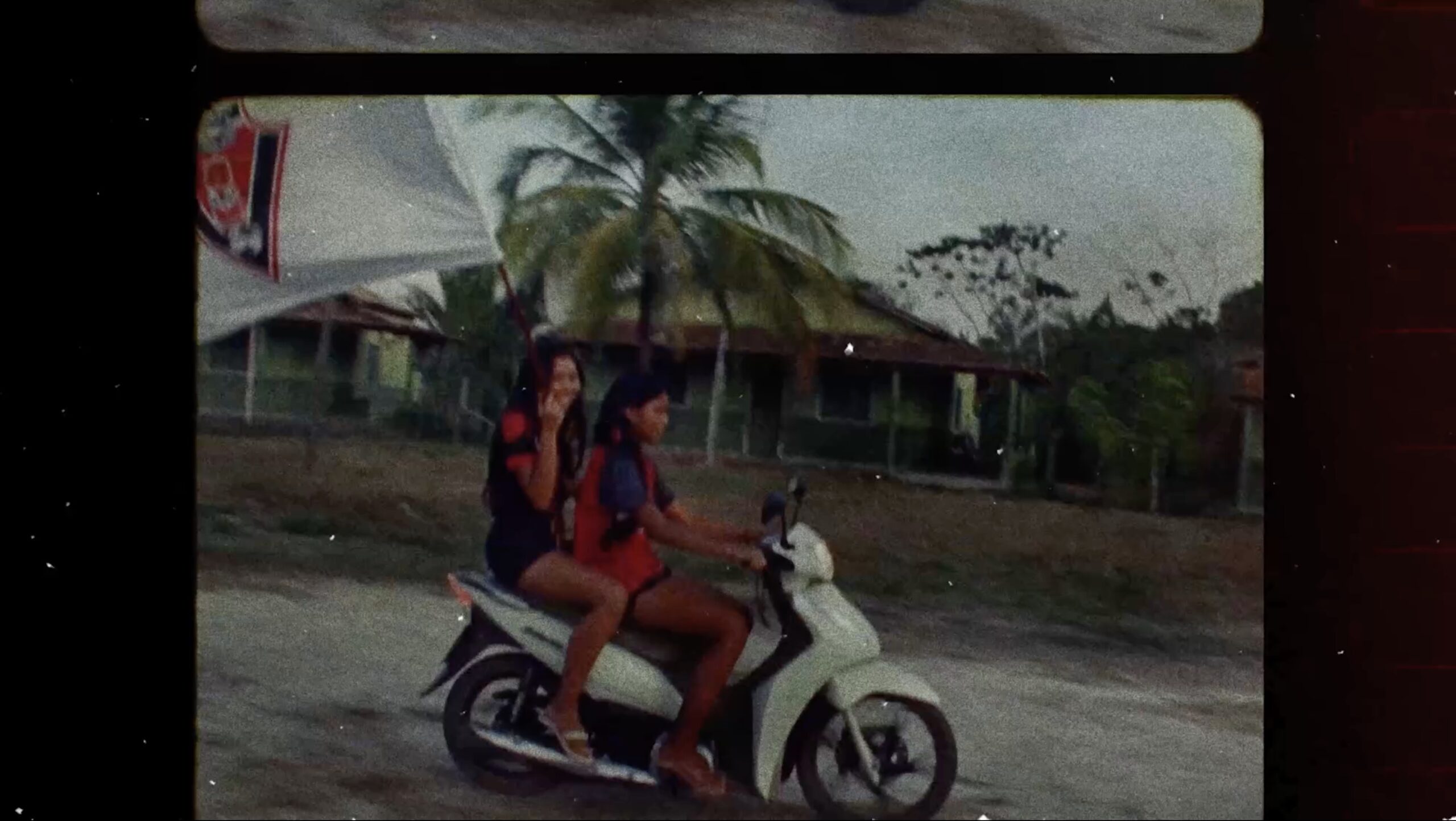
Another important choice was shooting on 16mm. I had never used film before and honestly, it felt scary at first. You don’t have a perfect monitor, you can’t shoot endlessly, and every roll costs money. But the aesthetic result is incredible, and the imperfections give the film soul. They make it feel more true.
But maybe the biggest challenge was giving up control. We had written the script without ever setting foot in the village. So when we got there, we quickly realized some scenes simply didn’t make sense anymore. At the same time, moments much stronger than anything we had planned started emerging naturally. Because the crew was so small, improvisation became part of the process. We were missing props, logistics changed constantly, scenes had to be reinvented on the spot. In a traditional production, that might be seen as a problem. For us, it became language.
Where and from whom do you draw visual inspiration from as a director?
My original background is in graphic design. Back in school, I spent a good part of my classes drawing in notebooks and making small flipbook animations in the corners of the pages. During college, I remember watching Requiem for a Dream for the first time, and it deeply impacted me. It wasn’t a ‘normal’ film. The editing was extremely aggressive and dynamic, those famous hip hop montages, the unusual lenses for that time, the fisheye shots, the snorricam… everything seemed to have personality. It was a film that used visual language in a very authorial way to provoke sensation. Guy Ritchie’s films also caught my attention a lot during that period. He played with rhythm, editing, and visual devices in a very unique way. When Kill Bill: Volume 1 came out, I became fascinated by the mix of live action and anime. That further expanded my perception of how different formats could coexist within the same narrative.
Outside of cinema, in the design world, there was an artist I followed closely called Julien Vallée. He mixed design, motion, typography, and audiovisual in an extremely contemporary way. In the end, what has always fascinated me are creators who use tools beyond the obvious to tell stories. Directors and artists who understand language not just as aesthetics, but as an emotional part of the narrative.
Your work has always blended the visual languages, so the use of AI feels like a natural progression. In what ways is it now part of your work and with what results?
I’ve always enjoyed exploring new visual languages. Having studied both graphic design and filmmaking, I naturally developed a perspective connected to mixed media and the blending of formats. I’ve been using AI quite frequently in my projects, usually in a hybrid way integrated with live action. I believe many stories can absolutely be told entirely with artificial intelligence. But there’s one thing it will probably never be able to replace: human experience. Human connection. Real lived experience. Listening.
I could have made the entire Gavião Kyikatejê project using AI. Maybe it would still have been visually beautiful. But without the experience of living inside the village, talking to people, and closely understanding the reality of that community, the film would never have become what it became. We probably would have only followed the original script. We would never have reached the deeper questions, the dreams, the pain, and the real needs of that community. The film would still exist. But it would have been a completely different project. Maybe a beautiful film. But with far less soul, truth, and depth.
What early experiences made you want to work in the industry?
My father had a VHS camera, and I used to spend hours creating stop motion films with my toys. I also loved inventing soap operas, news shows, and little stories with my sister and cousins. Since a very young age, there was already this desire to tell stories through images. But growing up in Brazil made cinema feel distant. To my parents, it was a world very connected to art and not to a real possibility of making a living. So I ended up being convinced to follow what seemed like a safer path at the time: graphic design.
During college, I interned at an advertising agency in São Paulo. That’s where I started discovering the world of commercial filmmaking. I loved following campaigns, visiting sets, and understanding how those productions were built. I realized there was an extremely creative industry there, but also one with the structure and investment necessary to transform ideas into large scale films. I left the agency to study filmmaking in the US, and returned to Brazil after graduating with the goal of directing commercials.
Finally, what’s one piece of advice you were given when starting out that you’d still pass on to emerging directors today?
Make personal projects. And most importantly, don’t be afraid to fail with them. When I was starting out, I was very afraid of making a film and having it turn out bad. So I ended up trapped in an endless cycle of development. Many times, the project simply died before existing because I thought it still wasn’t ‘good enough’.
I realized that’s a trap. You need to make things happen. Even with limited resources. Even with an imperfect script. Even without all the answers. Because many times, it’s in that improvisation where the most alive and authentic projects emerge. Excessively controlled projects sometimes lose their soul along the way.
Even when the final result doesn’t turn out exactly as you imagined, it’s still worth putting the work out into the world. Because that’s how opportunities start appearing. Someone sees that project, connects with something inside it, and calls you for the next one. That’s what keeps the wheel turning. If you don’t put anything out into the world, the chances of that wheel even starting to turn become much smaller.
And when you genuinely believe in a personal project, people can feel it. If there’s a strong story there, you’ll be surprised by how many talented people are willing to help. Our industry is full of artists wanting to create something beyond advertising and everyday jobs. Personal projects end up becoming a rare space for creative freedom. A place where people genuinely participate out of love for the idea.