



2025 Winners:
1920
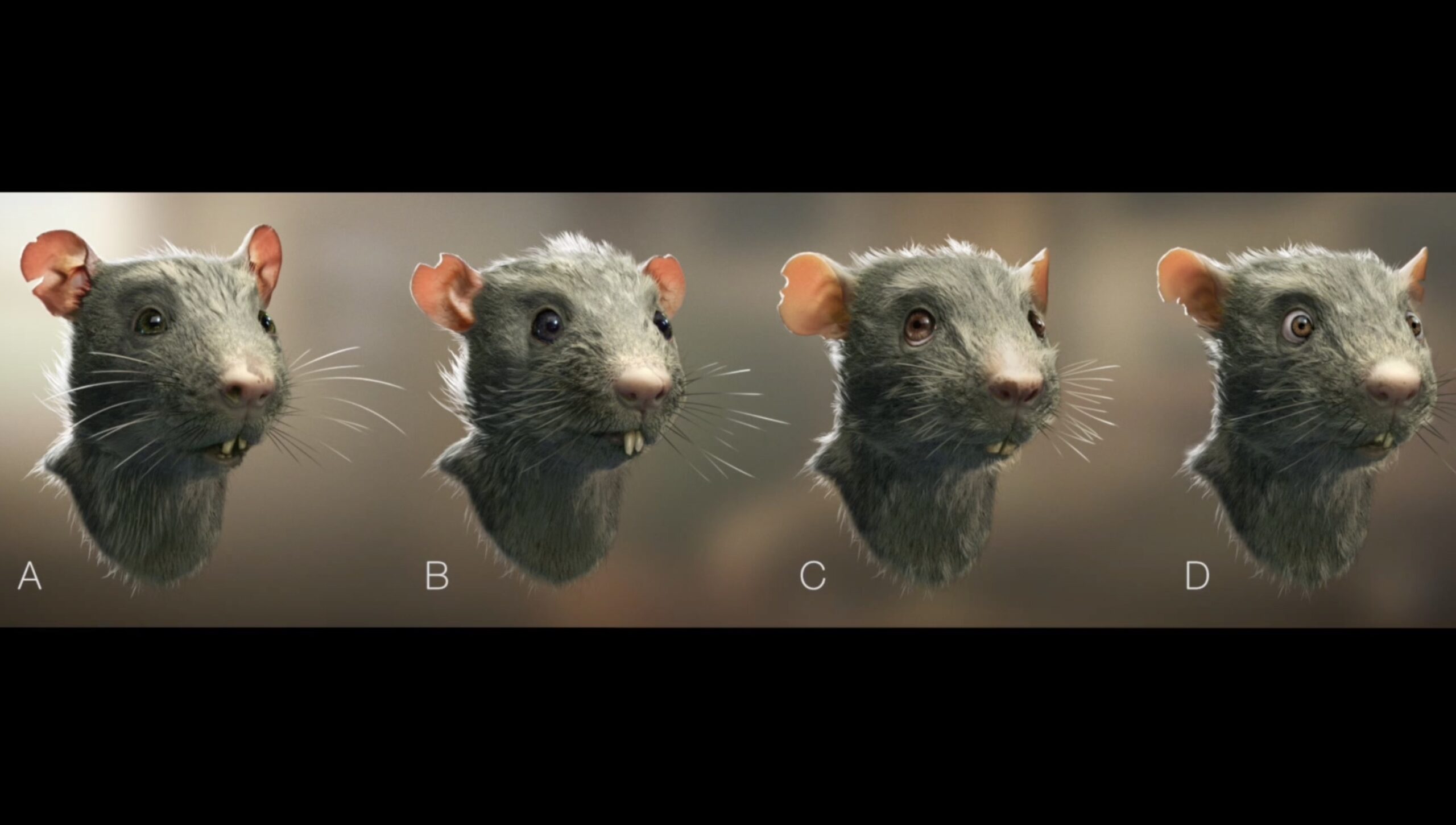
Managing Director of 1920, Jon Hurst, spoke to us about BTS breakdowns having their moment in the spotlight – giving visibility to the process and people behind the craft – and forecasting the future of VFX houses in the age of generative content.
In an effort to champion analogue craft, VFX breakdowns are seeing more airtime than ever. How is post-production benefitting from this level of interest?
We’ve always invested heavily in BTS and “making of” content as a way to clearly articulate our role in the process. Those explainer films have become valuable tools for filmmakers, often referenced when pitching ideas or treatments. Being able to show how the work is done helps bring us into projects earlier, and that early involvement consistently leads to stronger creative outcomes.
What does the act of clients continuing to value great craft look like in the current climate?
It ultimately comes down to a client’s vision. Some are focused on creating work with longevity – pieces that stand on their own and endure beyond the moment. Others are comfortable with content designed to be consumed quickly and moved on from. As a studio, we now have to service both approaches. The industry is in flux, but agility has always been central to how we work, and this moment presents a real opportunity to demonstrate that adaptability.
1920 worked with directors David Fincher and Romain Chassaing on ‘Wake Up’, the 2025 CICLOPE Grand Prix-winning work for Xbox. What is key when building successful creative collaborations?
It sounds cheesy, but invest in each other! If you believe you are stronger together, look after each other along the way.
1920 works across disciplines, with a film and episodic arm alongside commercials. How are increasing amounts of long-form branded entertainment having an impact on the craft in both directions?
Any increase in demand across either sector is welcome. Clients coming from advertising, in particular, value our film and episodic experience when stepping into long-format branded entertainment. We’re able to translate between disciplines: adapting the language, expectations, and schedules, while delivering the same high creative and technical standards throughout.
What’s something in the post-production process that AI is now beyond the ‘experimental tool’ stage of, and has become a permanent fixture within?
We use AI wherever it genuinely saves time and maintains quality. At the moment, it’s not about replacing expertise; it’s about enhancing it. Post-production is all about squeezing the maximum creativity into a project’s schedule, so any tool that helps achieve that without compromising standards quickly becomes a permanent fixture in our workflow.
What are the forecasts in the extremes? Give us the best and worst outcomes for VFX houses in the era of generative content.
Simon Cooper at Academy Films once joked that “AI could turn us into saddle makers at car conventions, saying people will still ride horses!”. If that extreme comes true, the market would be hyper‑specialised, and only those who excel at their craft would survive and there would only be a few small VFX houses left.
More likely, though, AI will become just another tool—one the VFX industry learns to wield better than anyone else. That opens up even more opportunities for studios like ours to help bring ambitious, imaginative ideas to life. My money is firmly on that outcome.