



2025 Winners:
SUPREME MUSIC
Florian Lakenmacher, Co-Founder, Composer & Global CD, and Markus Stemler, Oscar-Nominated & BAFTA-Winning Sound Designer, dove into the craft behind creating sonically rich worlds onscreen, and shared some practical advice for how brands can stand out in an increasingly noisy world.
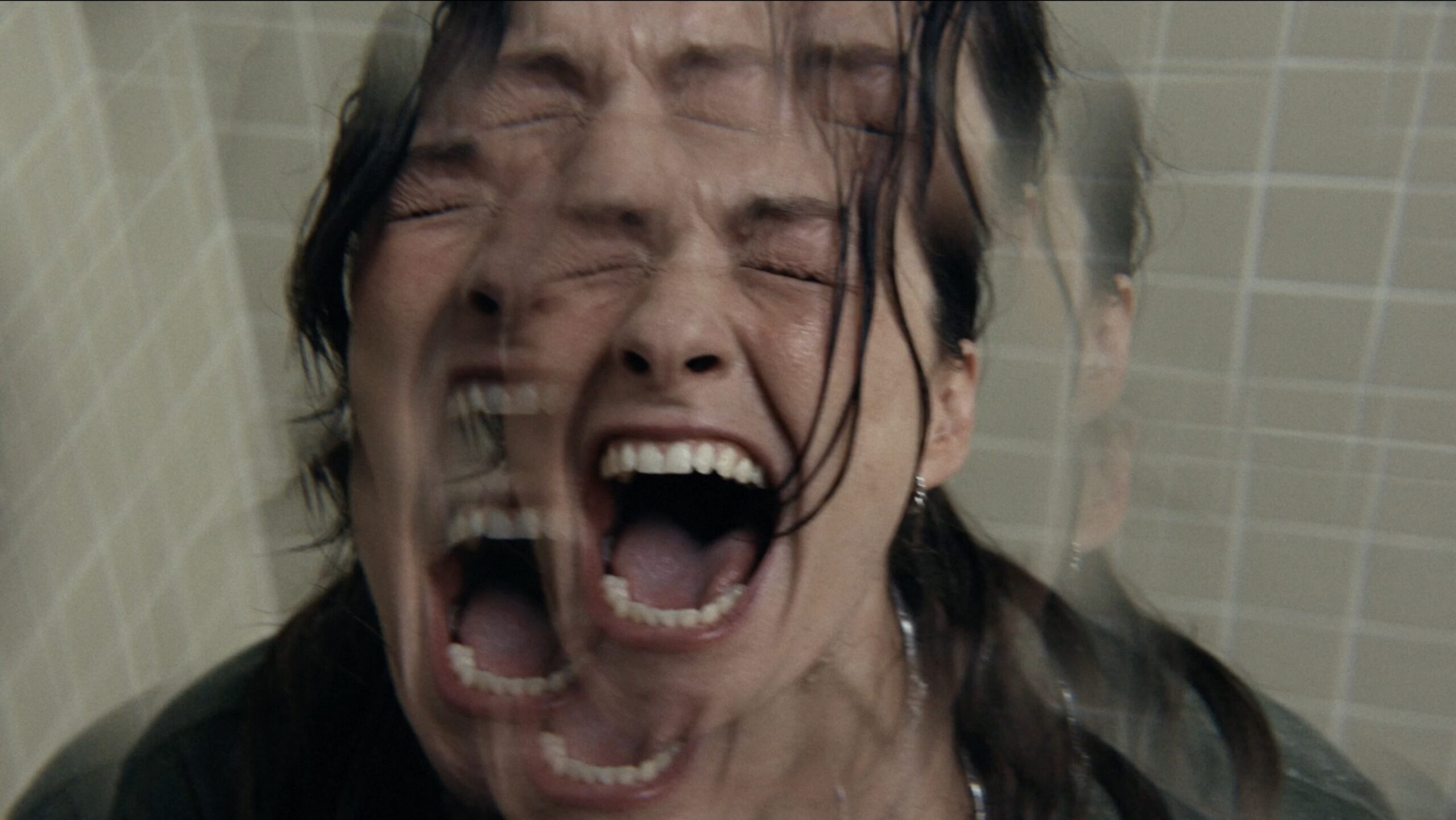
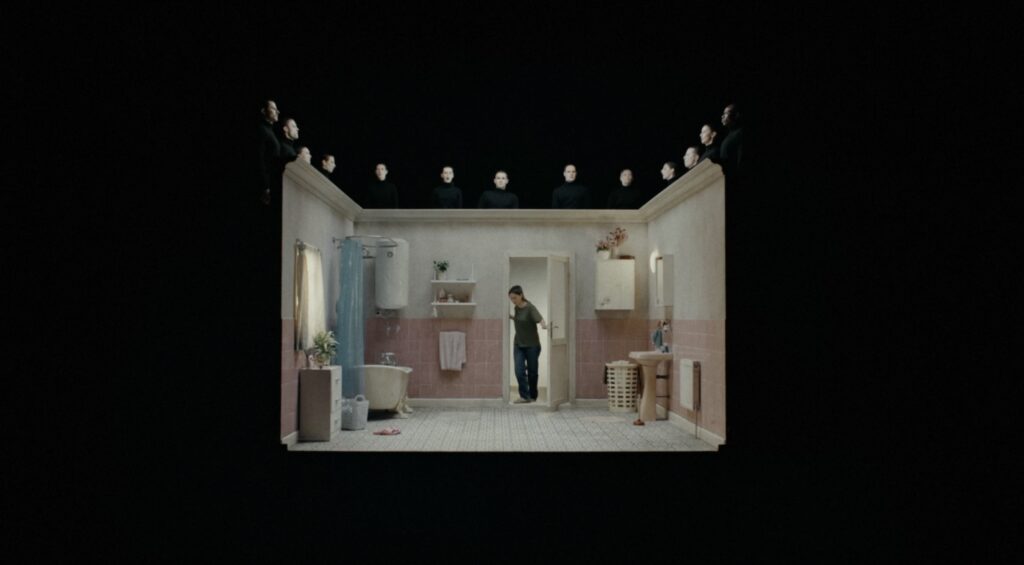
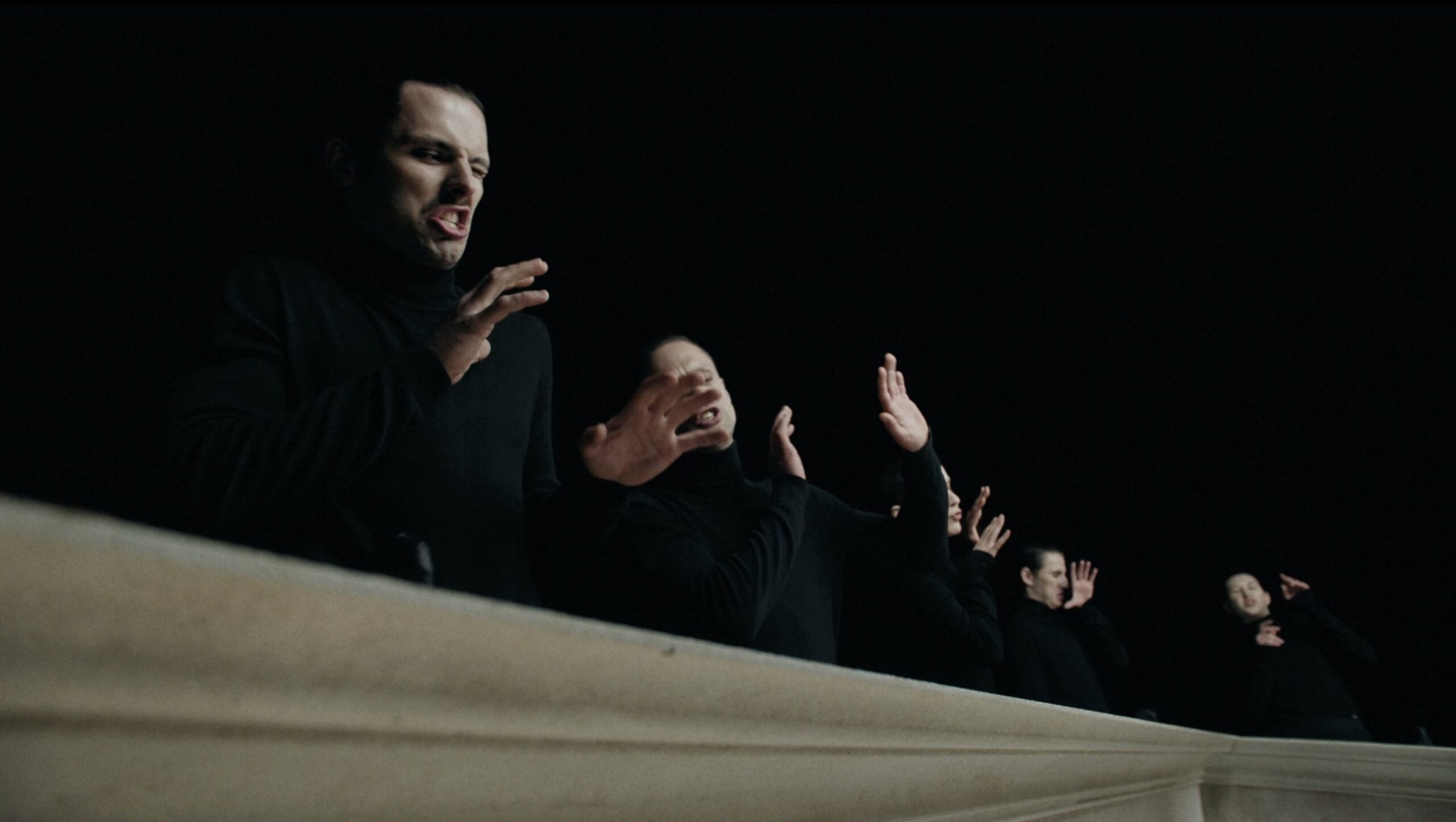
SUPREME MUSIC were behind the sound design and music composition of CICLOPE Grand Prix-winning HORNBACH Baumarkt AG’s ‘No Project Without Drama’. What was challenging about working with a choir who also appear onscreen?
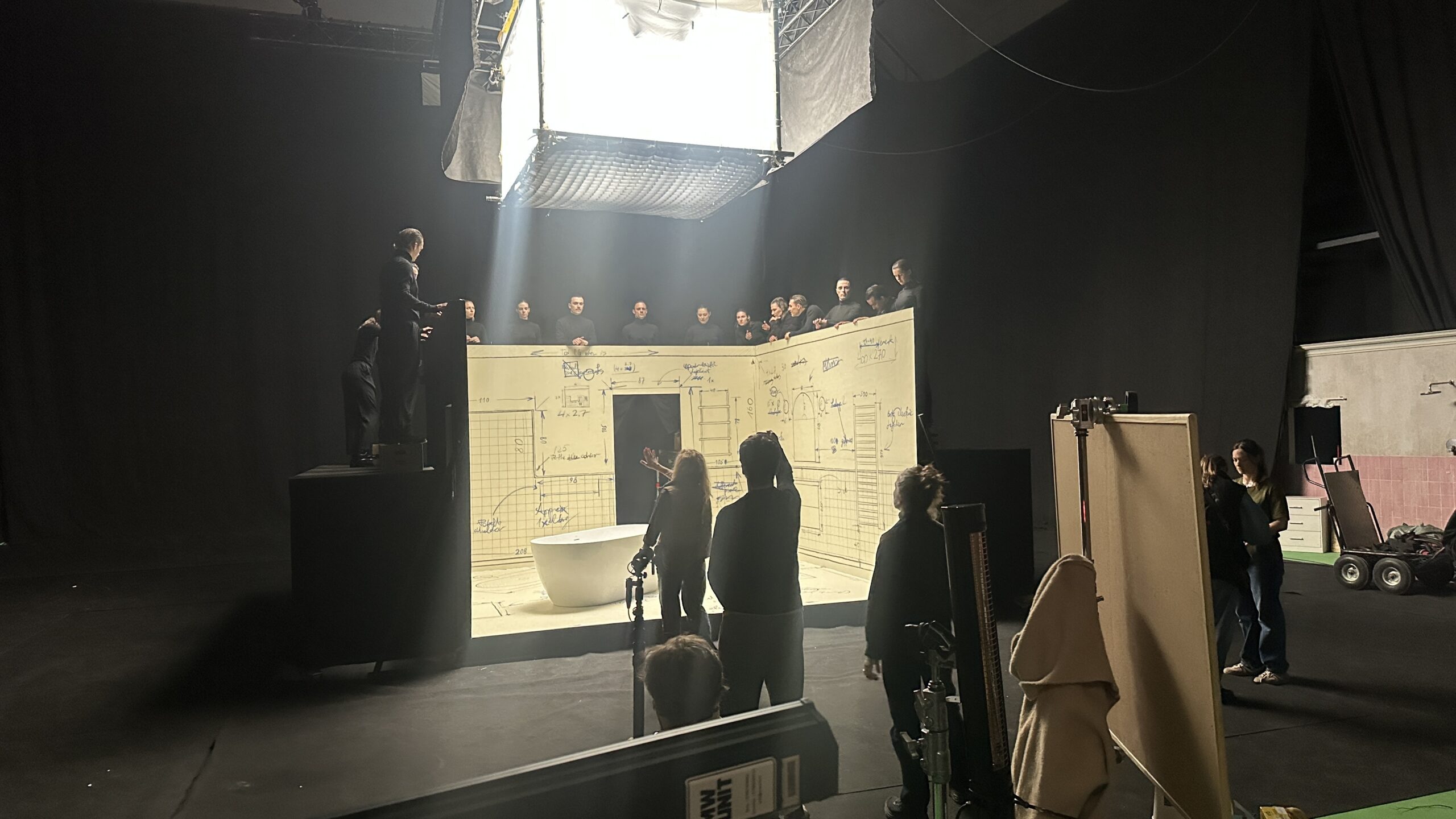
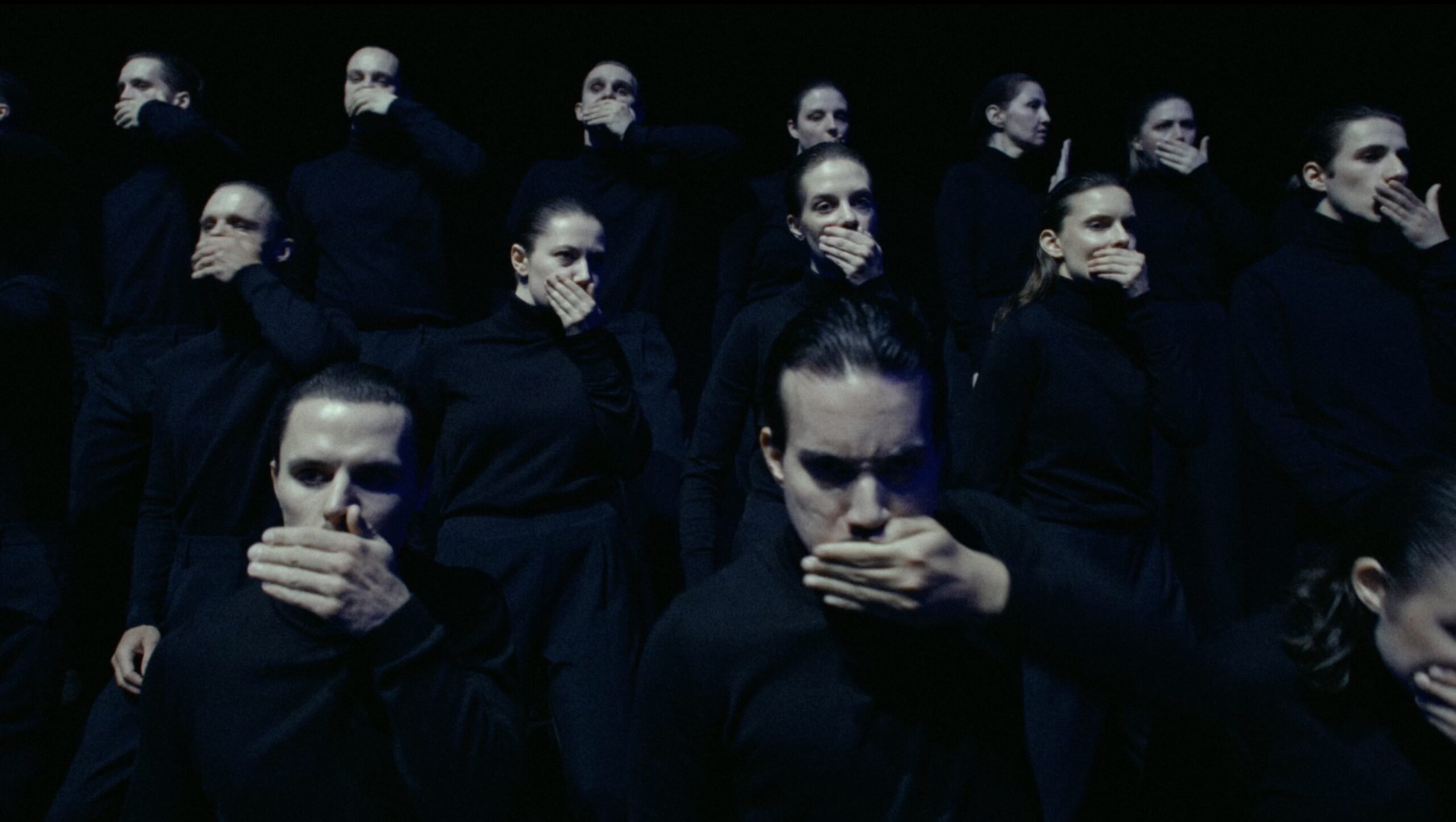
Florian Lakenmacher: Projects like this are the most demanding and at the same time the most fulfilling in our world. The brief was simple: a choir on screen, performing the sounds of a renovation – drips, creaks, the chaos of a building site, all live on set. From that, a rhythm would emerge, and later an entire score. All of this for a brand like HORNBACH, which together with the agency Heimat, has spent decades building something rare: a brand world that takes its audience seriously, that is cinematic, provocative, and never predictable. For us at SUPREME, this is exactly the kind of brief we live for.
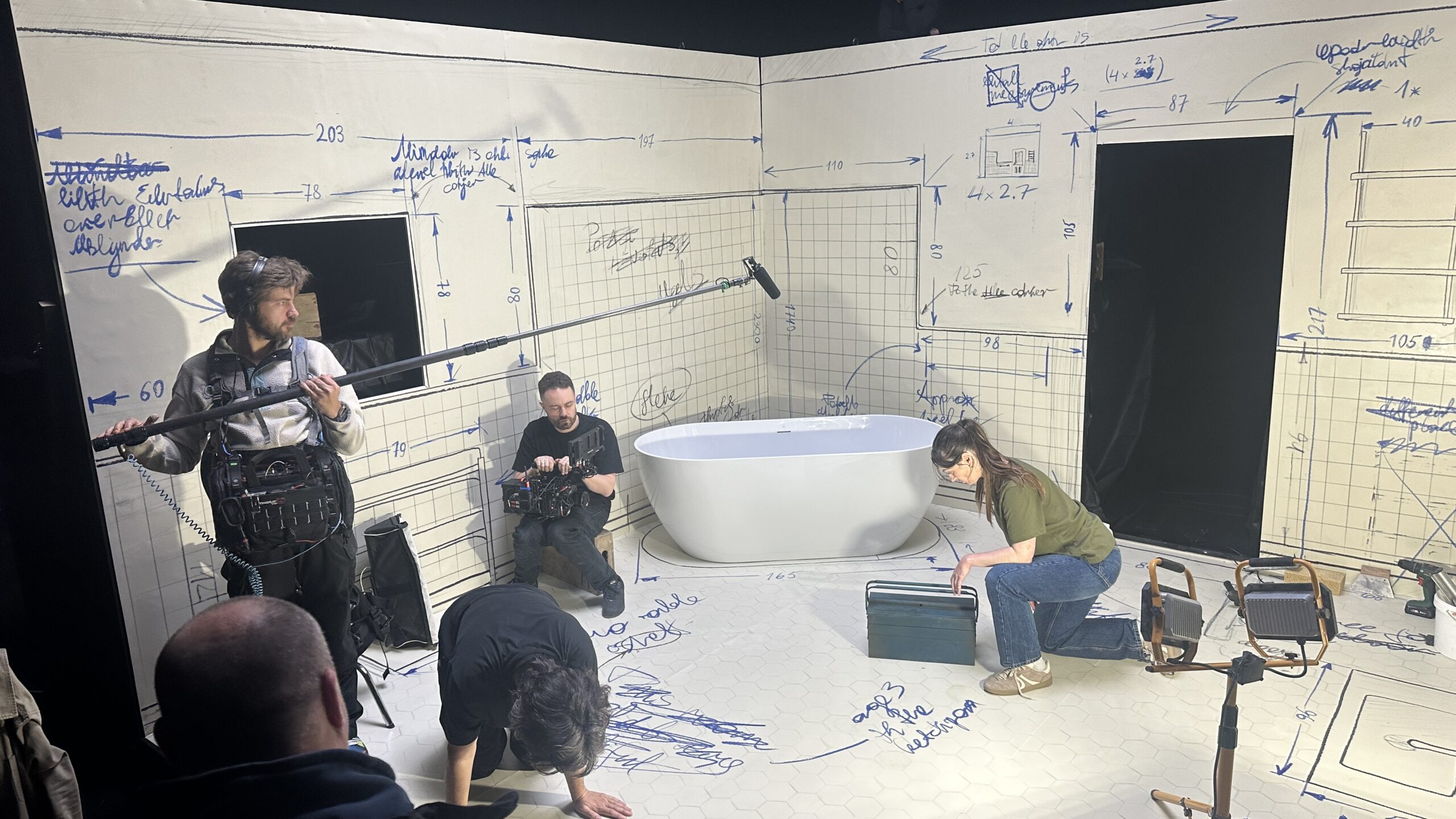
The challenge was that Lope [Serrano, the director] absolutely did not want to shoot a kind of music video, locked to a click track with playback. Instead, he wanted the freedom on set to stage the whole thing live, like a theater piece. The conventional approach would have been to orchestrate everything in preproduction, fixed tempo, timecode, no surprises. To make his vision work, we spent several days rehearsing with the choir on set to achieve rhythmic stability, especially for the opening scenes. And throughout all the shoot days, we were there not just creatively but also technically, supporting the music supervision on set directly.
The foundation for all of this was laid in an experimental phase before the shoot: a small choir in our studio in Berlin, with Lope joining via video call from Barcelona. What does a drop sound like? A squeak? Bubbling? Wind? Waves? Thunder? After two sessions, we had built a catalog of sounds and Lope also had a sense of how the faces looked with each particular noise. It was in those sessions that I realized: whatever came out of the shoot, we would find a score in it.
How did the foley process differ on this project to others?
Markus Stemler: The idea was to translate the different settings of the film into its sonic world as authentically as possible. That’s why we decided to combine conventional foley studio recordings with real location recordings in bathrooms, staircases, and workshops.
The process of renovating, as told in “No Project Without Drama”, is rarely clean or slick. It usually comes with unexpected challenges and a lot of debris. By performing and recording in real locations, we allowed those natural imperfections to become part of the sound. It also gave us the chance to capture unexpected elements, things you simply cannot manufacture in a studio.
How has sonic branding grown alongside changes in the way we consume media?
FL: The tools to make sound have never been more accessible. Which means the amount of average has never been greater. Sonic branding has grown alongside every new platform, every new touchpoint, every new format that needs to be filled. But more presence doesn’t mean more identity.
The brands that genuinely cut through are the ones with a sound that couldn’t have come from a library. Something that was built, not assembled. That’s what we call handmade audio branding – and in a world that’s getting louder and more generic by the day, that approach feels more necessary than ever.
In what ways has AI had an impact on sound design and music composition, in terms of client expectations, and the creative process of audio post itself?
FL: None. AI is everywhere, including in our daily work. But when it comes to touching humans with music, I stay clear of it. And I tell our clients the same: if you want to connect with people, be extra human. Music is the perfect vehicle for that. With AI bands on Spotify and AI-generated content flooding every screen, the most powerful thing a brand can do is lean hard against it. Be not perfect. Be noisy. Be human.
For HORNBACH, we recorded a 50-piece orchestra at Berlin’s legendary Hansa Studios. Lots of fancy microphones, state-of-the-art analog gear. It sounded great. Actually too good. Too clean. Too perfect. Back in our studio, we ran it through tape and subtle distortion. Not as an aesthetic effect, but as a deliberate choice. A small, precise shift that changed how it was felt, not how it was heard. Because the difference between sounding good and feeling right is almost always in the details.
Imperfection is the tool. Feeling is the goal. Taste is the filter. Choice is the craft.
What is SUPREME’s approach to fostering emerging talent across the industry?
FL: Honestly, we don’t run formal programmes or internships. But we do think a lot about where talent comes from. Some of our best collaborators come from completely outside the advertising world. Markus, for example, comes from the world of feature film and cinema, and that perspective changes everything.
On the music side, our collaboration with the indie label Field Supply connects us with producers and songwriters from all over the world who have nothing to do with advertising, and that’s exactly the point. The most interesting work happens when you bring in people who don’t think in formats.
What’s an overused element that produces an eyeroll from every sound designer when they hear it used?
MS: For me, it’s not so much one or two specific sound effects. It’s more the almost automatic combination of a (radio) song with a voice-over that you hear in a vast majority of commercials.
Of course, music and voice-over both have their place. But when they’re used as a default formula, it can feel predictable and interchangeable. Every story, no matter how short, has something unique about it. When you invest in a tailored score and thoughtful sound design, I think the story can unfold its personality much more strongly and help make the film feel truly distinctive.
And what’s the most undervalued element of sound design in advertising?
MS: If you think about ads that really create a spark and draw your attention, there’s often something slightly unexpected or unusual in them. I believe there’s a lot of potential in approaching sound in a non-literal way, creating a subtle feeling that ‘something isn’t quite what it seems’. It could be silence where you would normally expect noise, or an overwhelming wall of sound paired with a frozen face. There are many ways to play with expectations and that can be incredibly powerful.
But for it to feel natural, these ideas need to be part of the script from the beginning. Sound works best when it’s treated as an integral part of the story and concept, not just something added at the end. Maybe that’s where its greatest potential lies.
FL: A microphone. Get out of the SFX libraries everybody uses and go record something real. The sound of a specific room, a specific object, a specific moment. That’s where originality lives.