


2025 Winners:
Cabin
We spoke to Kayt Hall, Managing Director of Cabin, CICLOPE’s Editing Company of the Year 2025, about the view from the edit suite: what we can expect to see more of on our screens (of all sizes), and how to create director-editor collaborations that make the cut.
“No Project Without Drama” won Gold in Editing in last year’s CICLOPE Awards, edited by Carlos Font Clos and directed by Lope Serrano, who are frequent collaborators. What’s key to building lasting director-editor relationships?
At the core, it’s a partnership that involves trust and understanding. The best director / editor relationships are not about execution, but about comprehending each other – developing a creative shorthand where the editor is not just interpreting a vision, but actively shaping it. That moment the rushes arrive are always the most charged for the editor, as it’s when the enormity of taking the director’s ideas and crafting it into their reality hits. There’s a huge level of trust needed there.
Like any good partnership, consistency and good communication matter. When you collaborate repeatedly, you build a shared language around all things edit. The pacing, the performance, the emotion, the story. That allows for ambitious decisions, because there’s a shared appreciation for the relationship and the projects they bring.
Editing can be vulnerable, the editor is the first person to really ‘see’ the film take shape. Directors need editors who can challenge them honestly, without ego, and editors need directors who are open to being surprised. They don’t have to agree on everything, but they need a shared sense of what ‘good’ looks like.
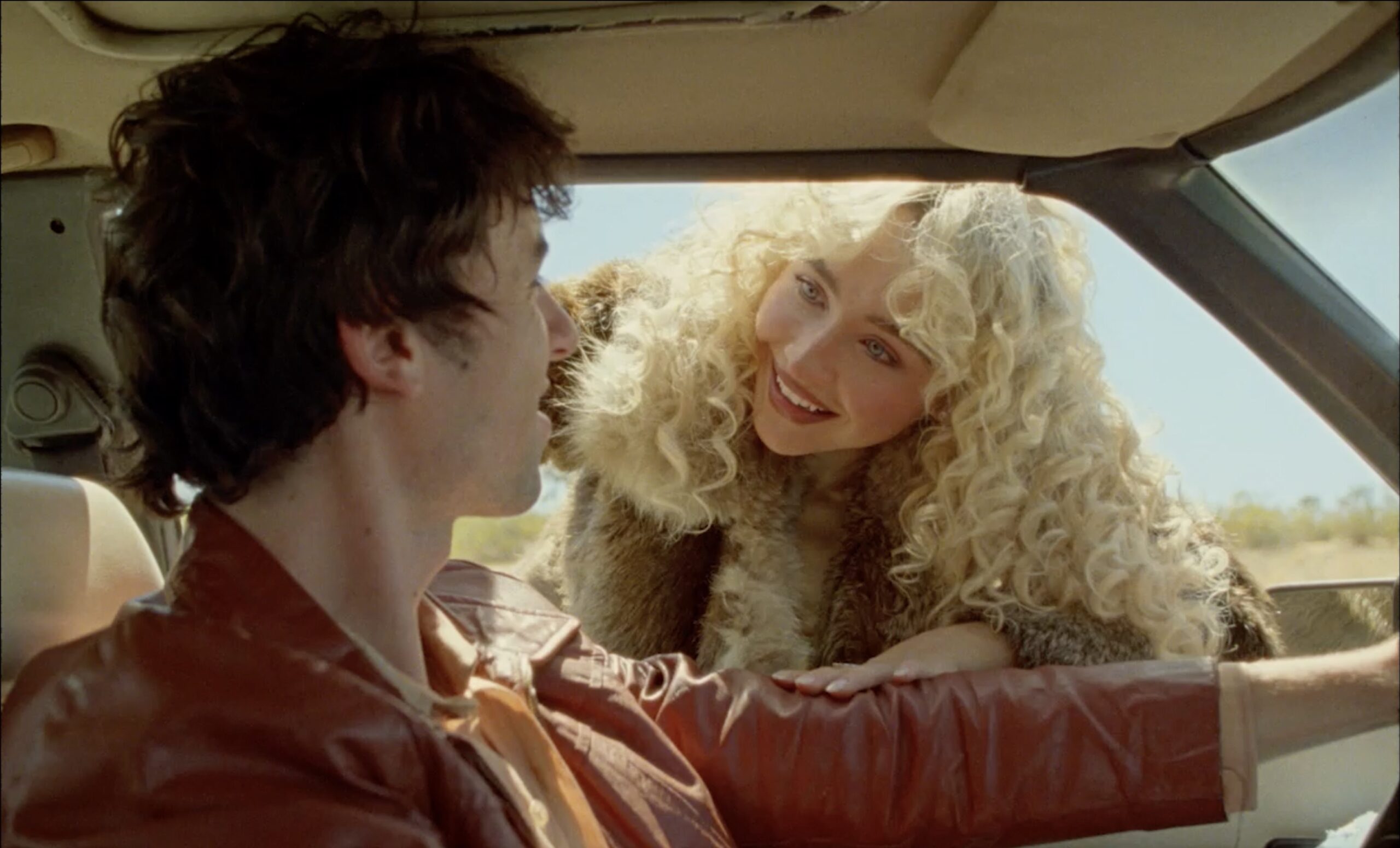
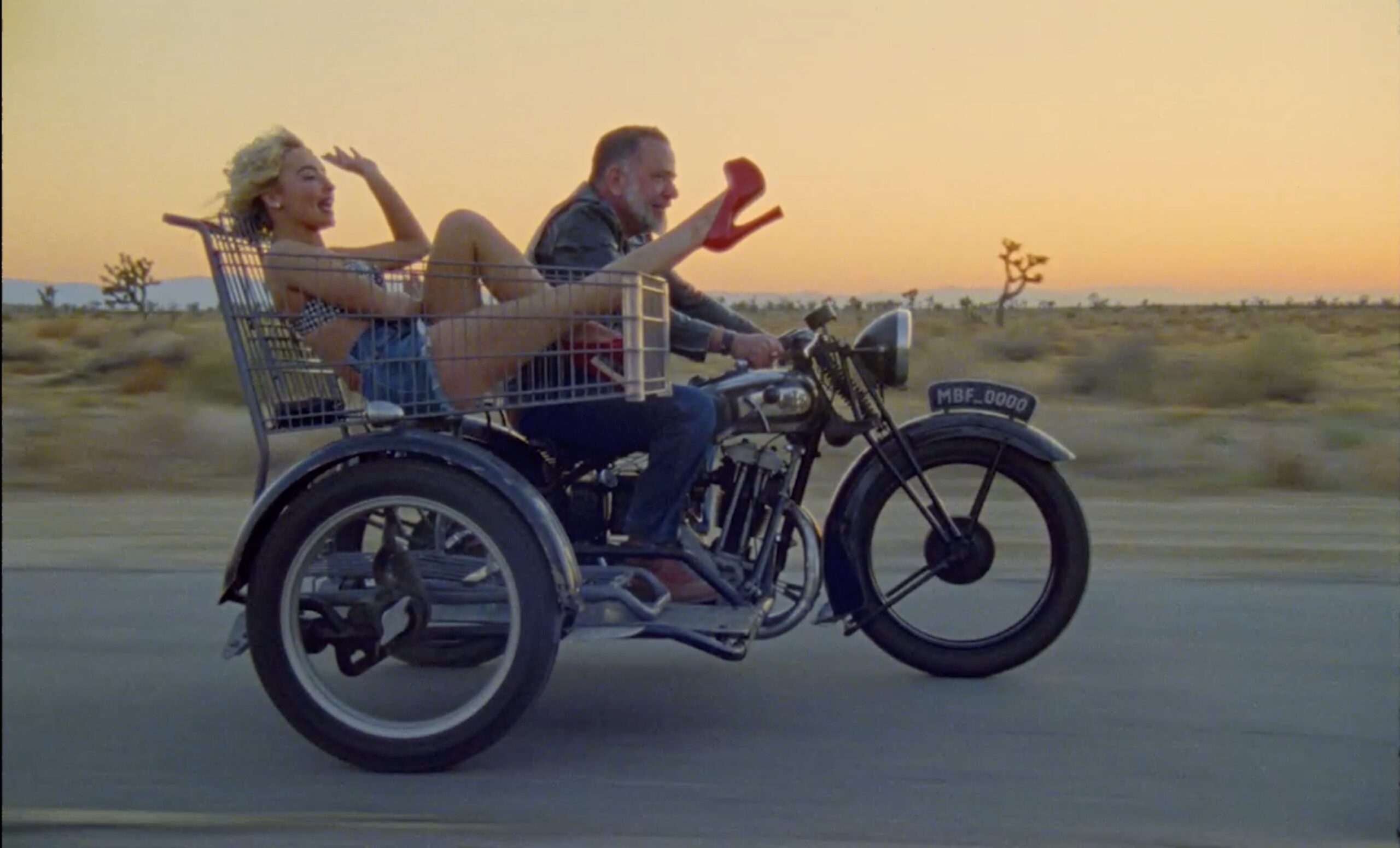
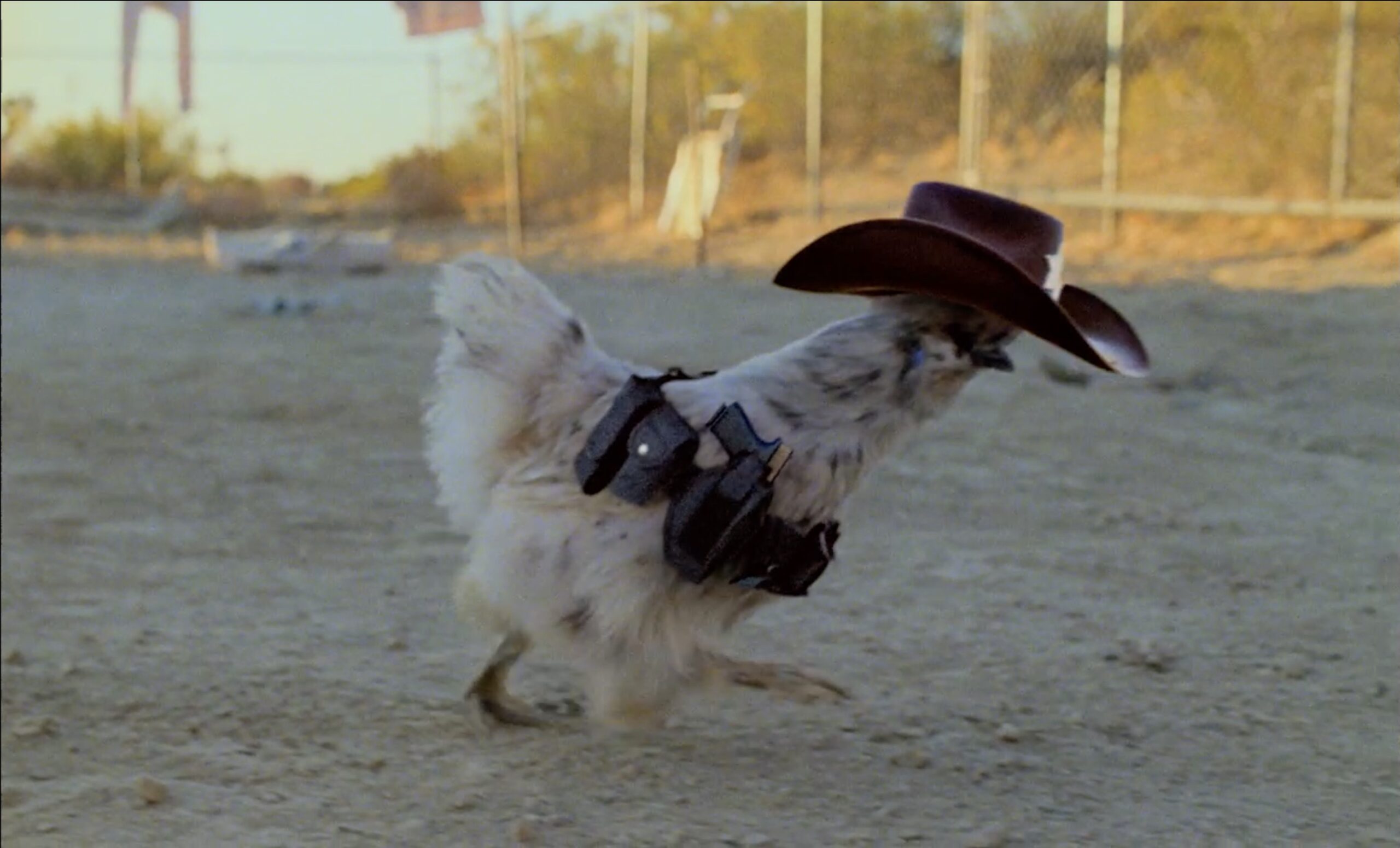
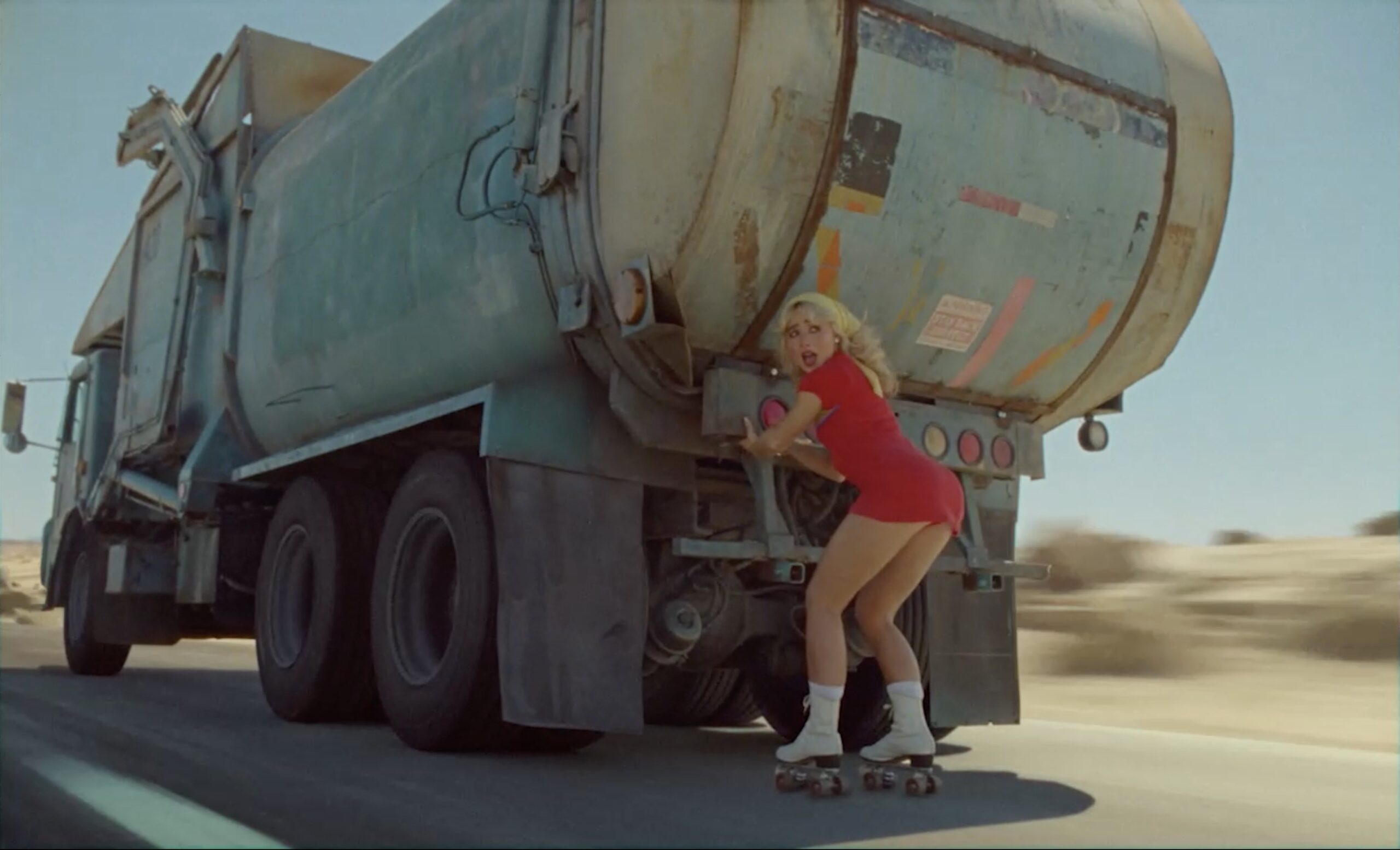
“Manchild”, edited by Nick Rondeau and directed by Vania & Mugia, also won Gold in Editing. What’s the edit process to building a film where almost every frame cuts to a different setup?
It becomes less about cutting and more about choreography. When you’re dealing with that many setups, the edit is almost musical. The editor will be working with rhythm, contrast, and build rather than traditional continuity.
It’s also a process of reduction, because they are building the edit non linearly. The editor will have hundreds of viable options for a moment, and the job is to find the one that pushes the energy forward.
Restraint becomes even more important. Even in fast-cut work, you need moments of stillness or clarity otherwise everything flattens into noise.
How have audiences’ shortening attention spans and multi-device viewing impacted what’s expected in final edits?
Grabbing the interest of the viewer early means there’s pressure on making the opening of any film engaging. so that the attention is drawn there. We have seconds, not minutes. There is now less time to establish tone or visual interest, to grasp the attention.
This doesn’t necessarily mean making the edit quicker, it’s about finding a way to get attention immediately with whatever technique, visual or music cue adds to the creative idea or story. On smaller screens or in distracted environments, every frame has to read instantly; the composition, motion, and intent all need to land quickly.
That said, audiences still respond to good storytelling. If something is engaging, they’ll stay with it even if it’s longer. The challenge is earning that attention upfront.
In what ways does the edit process differ between regions e.g. between Europe and the US?
There are nuanced differences around the production process. Broadly speaking, the US tends to be more structured and agency-driven. They come in much earlier and lead the edit. In Europe, the process is director-led and there feels to be more room for experimentation at the initial edit stages.
Timelines differ as well. US projects have longer schedules, whereas European ones tend to be quicker turnarounds. That said, things are always changing and workflows evolve and grow all the time.
Are there any differences in the attitude towards AI tools / generative content between regions?
I don’t think there are differences as a result of geography. We are all learning and adapting to what AI does or doesn’t bring and how best to work with it and get it working for us. The bigger thing is how we use it without compromising creative integrity, the ethics and the regulation of it.
AI in editing is most valuable when it can be used to speed up workflows, not when it replaces judgment. The taste, timing, and emotional intelligence of editing are very human. It’s a craft.
Editors are uniquely positioned to be able to spot trends across the industry – they see how much the final cut resembles the initial creative and director’s vision, across a range of work. What are some emerging trends that may define the work in 2026?
My view on this is a move towards things feeling more authentic as a counter to AI. More human, more textural, more imperfection, more nostalgia. Shooting on film and a return to analogue styles done for real.
In what ways does Cabin support the next generation of editors?
Cabin champions the next generation, it’s part of our value system and always in our thinking. We are building a business that the next generation will very much be part of. We aim to lower the barrier between emerging editors and high-level work whether that’s through mentorship, collaborative opportunities, or simply giving new talent a platform to be seen alongside established names.
There’s also an emphasis on community. Editing can be a solitary craft, so having a network where people can share work, feedback, and opportunities is incredibly valuable. And importantly, we support creative development not just technical skill. Helping editors refine their voice, taste, and perspective is what ultimately allows them to build sustainable careers.