



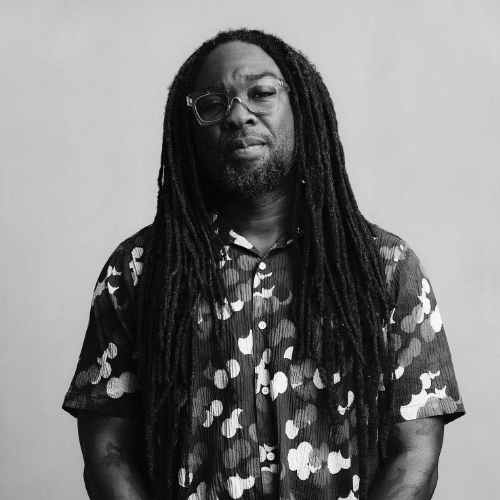
Taj Critchlow
-
company
FELA
-
position
Founder & Executive Producer
-
website
-
when
Tuesday 6 October 16:05
 16:35
16:35
Taj Critchlow is the Founder & Executive Producer of Fela, a culture-defining production company based in Toronto and Los Angeles. A 30-year industry veteran, Critchlow is an accomplished executive producer and talent manager whose work spans music videos, advertising, film, and television.
Critchlow has produced numerous iconic projects, including music videos such as Drake’s Hotline Bling and God’s Plan, Rihanna’s Work, Rosalía’s Con Altura and Kendrick Lamar’s Luther ft SZA. Fela has collaborated with brands such as Hoka, Adidas, Powerade, Mercedes-Benz, Cadillac, Gantri, and Budweiser, and has received industry accolades, including Grammy nominations, Junos, MTV VMAs, Clios, ADCs, The Webby’s, and Cannes Lions. In 2024, Little Black Book’s Immortal Awards named Fela Canada’s #1 Production Company. Critchlow manages visionary filmmakers, including Karena Evans, through his company Karoshi Management.
In 2025, Taj was honoured as the inaugural recipient of The Advertising & Design Club of Canada’s Change Maker Award, recognizing his lasting impact on the creative industries.
He has executive produced films including the Joel Silver-production feature Superfly, the documentary Underplayed, Motherland, a TIFF and Canadian Screen Awards winner, and 40 Acres, which premiered at TIFF and made The Hollywood Reporter’s 51 Best Canadian Films of All Time. Most recently, he produced Sweetness, the first feature from writer/director Emma Higgins, which world premiered at SXSW 2025.
2026 Speakersspeaking at
Every brand wants to connect with culture. But culture is not an aesthetic or something that can be added once an idea has already been written. Taj Critchlow, Founder and Exec Producer of Fela, will examine what makes some work feel as though it was created from within a culture rather than observed from the outside.
This session will explore how cultural currency gives work a depth and authenticity that cannot simply be researched or replicated, and why diverse rosters and production teams are not just about visible representation, but about bringing different perspectives into the creative process and making better, more relevant and effective work.