



Behind the Brand: Telstra
Head of Strategy and Creative Excellence, Nicky Bryson, talks joyful work in a world increasingly optimised for efficiency, and how commitment to craft saw Telstra named CICLOPE Asia Pacific Brand of the Year 2026.
Congratulations to the Telstra team on the success at this year’s CICLOPE Asia Pacific Awards!
In an era where it’s increasingly harder for some brands to cut through the noise, Telstra has emerged as a brand with a very distinct voice. How have you leveraged craft to achieve that?
A central tenet of the Telstra brand, and the red thread running through everything we create, is the belief that when you make things with the ‘craft of the human hand’ you create something that’s more human and distinctive. As a premium brand, that commitment to craft allows us to create a cohesive world that is more imaginative, rather than bound by a rigid set of rules or constructs.
Marketing often treats brands as engineered systems. We break them into component parts, create frameworks and optimise for recognition and consistency. These systems can sometimes come at the expense of character, tone and stories people feel and connect with over time.
Telstra campaigns of recent years utilise humour to great effect, why the choice to use humour?
From the start, our challenge was to make people feel differently about Telstra, shifting long-held perceptions of a large, faceless corporate into those of a more human brand that people genuinely enjoy being around.
Humour has played a big role in achieving that shift. We’re not afraid to commit to the bit, and that’s important, but it only works when it’s baked into the idea from the start and helps amplify the message. In a world where entertainment is essential to earning attention, humour can be incredibly effective.
It’s hard to compete with a brand that’s having fun.

Why do you think the distinctly Australian humour in Better on a Better Mobile Network landed so well with international audiences?
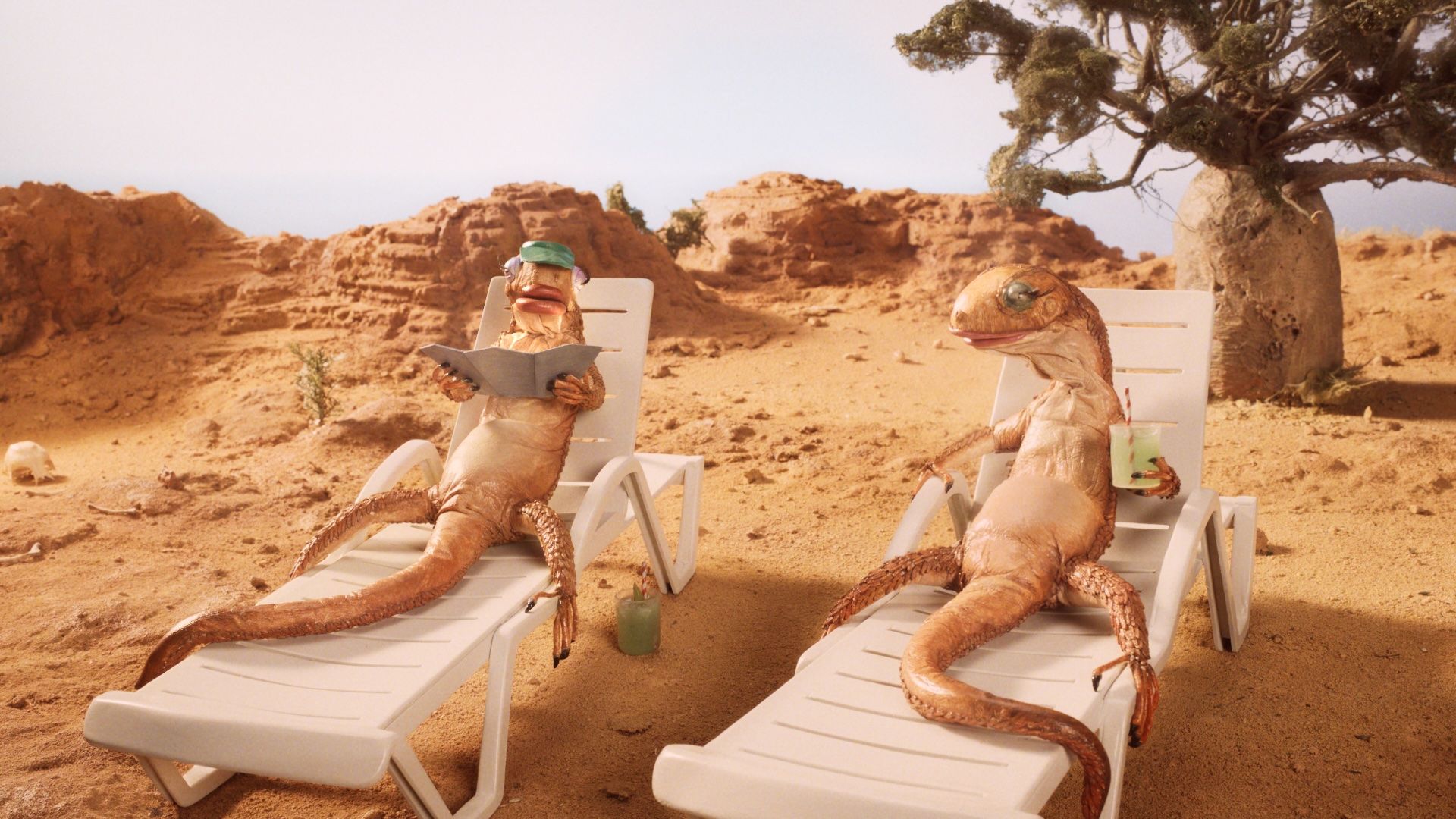
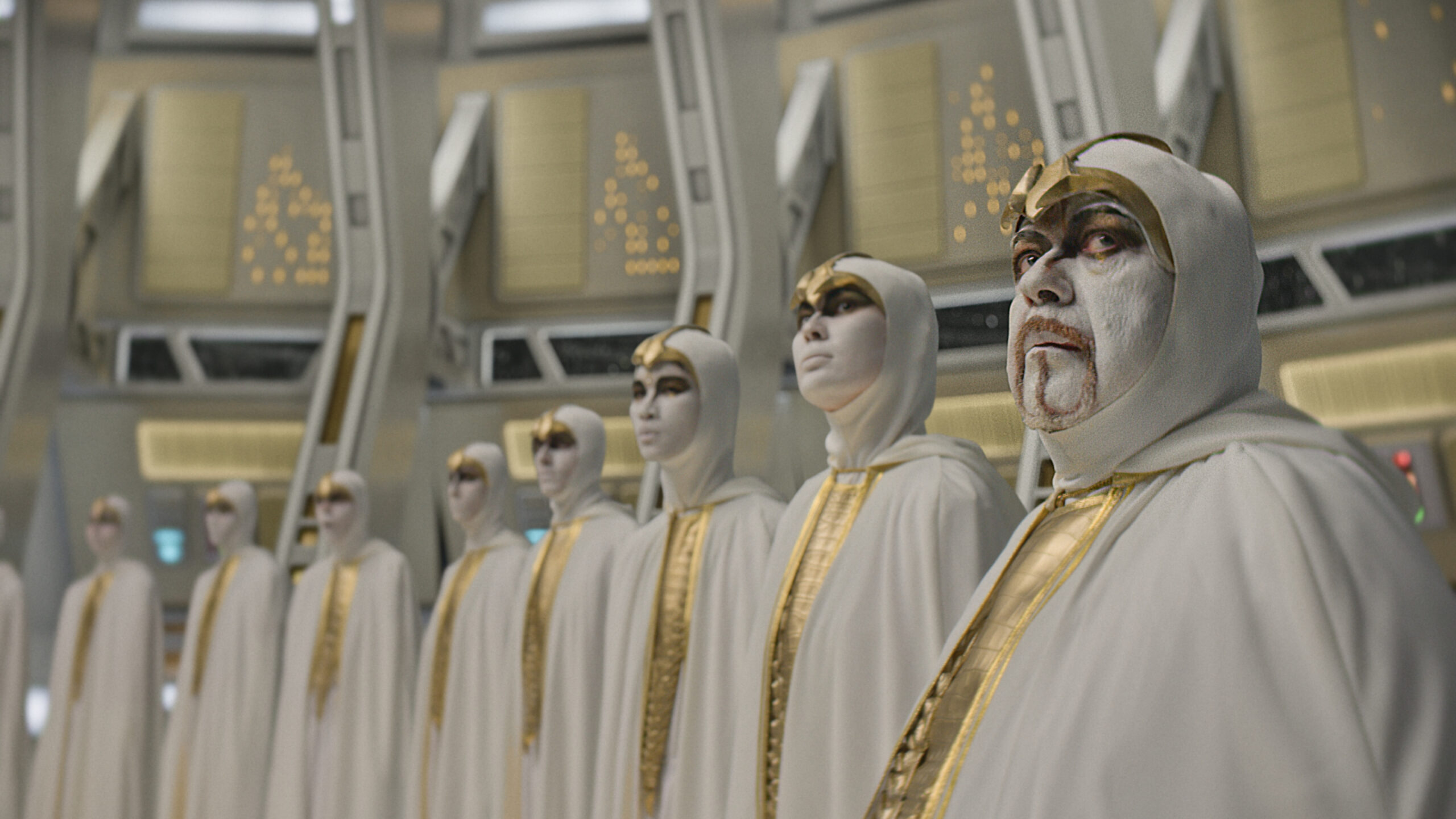
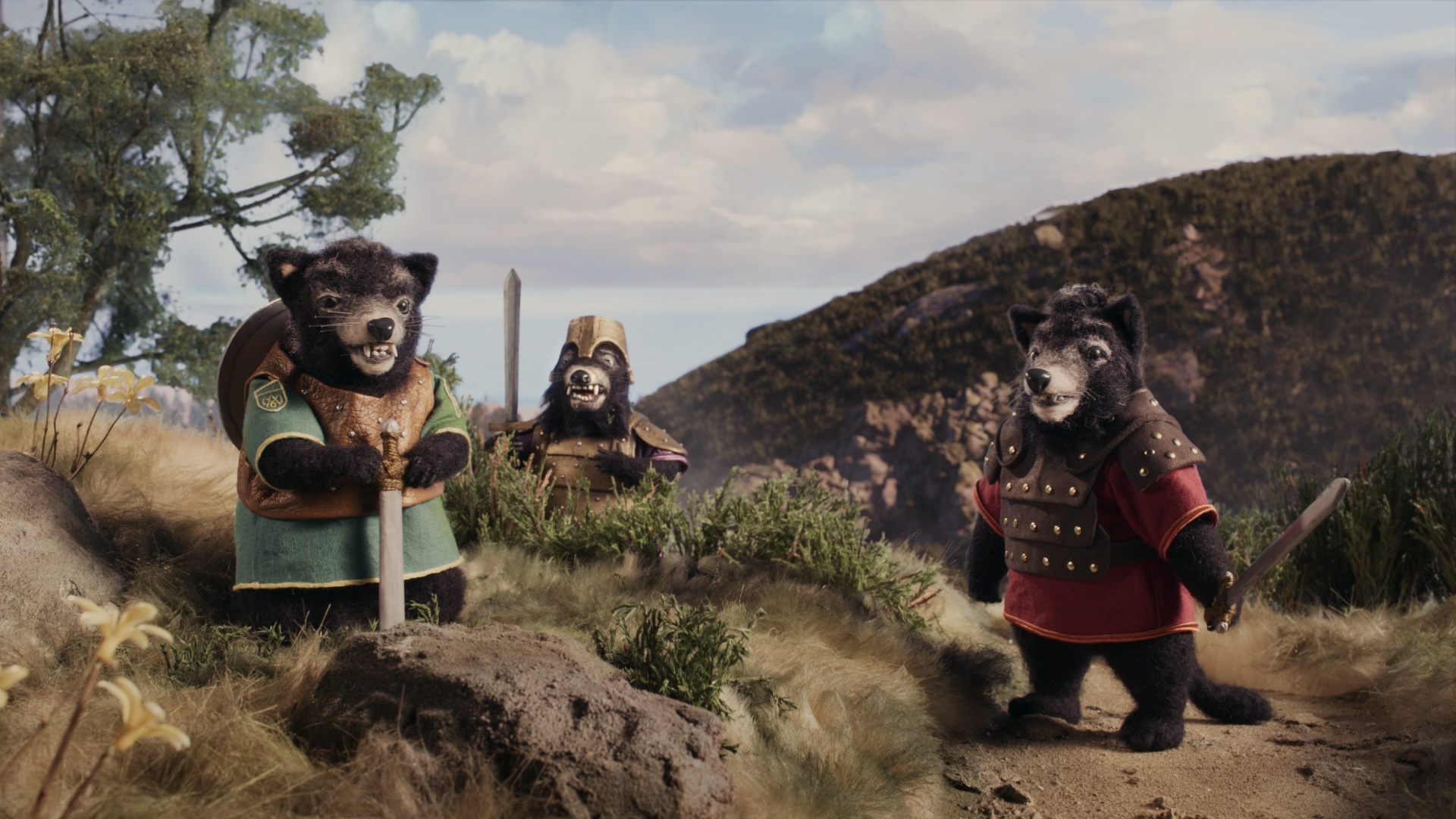
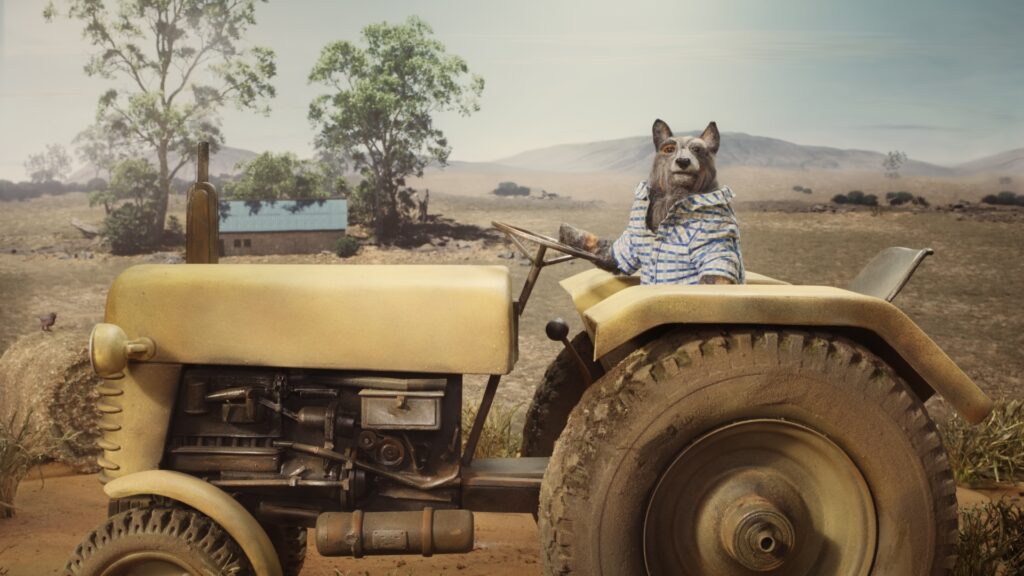
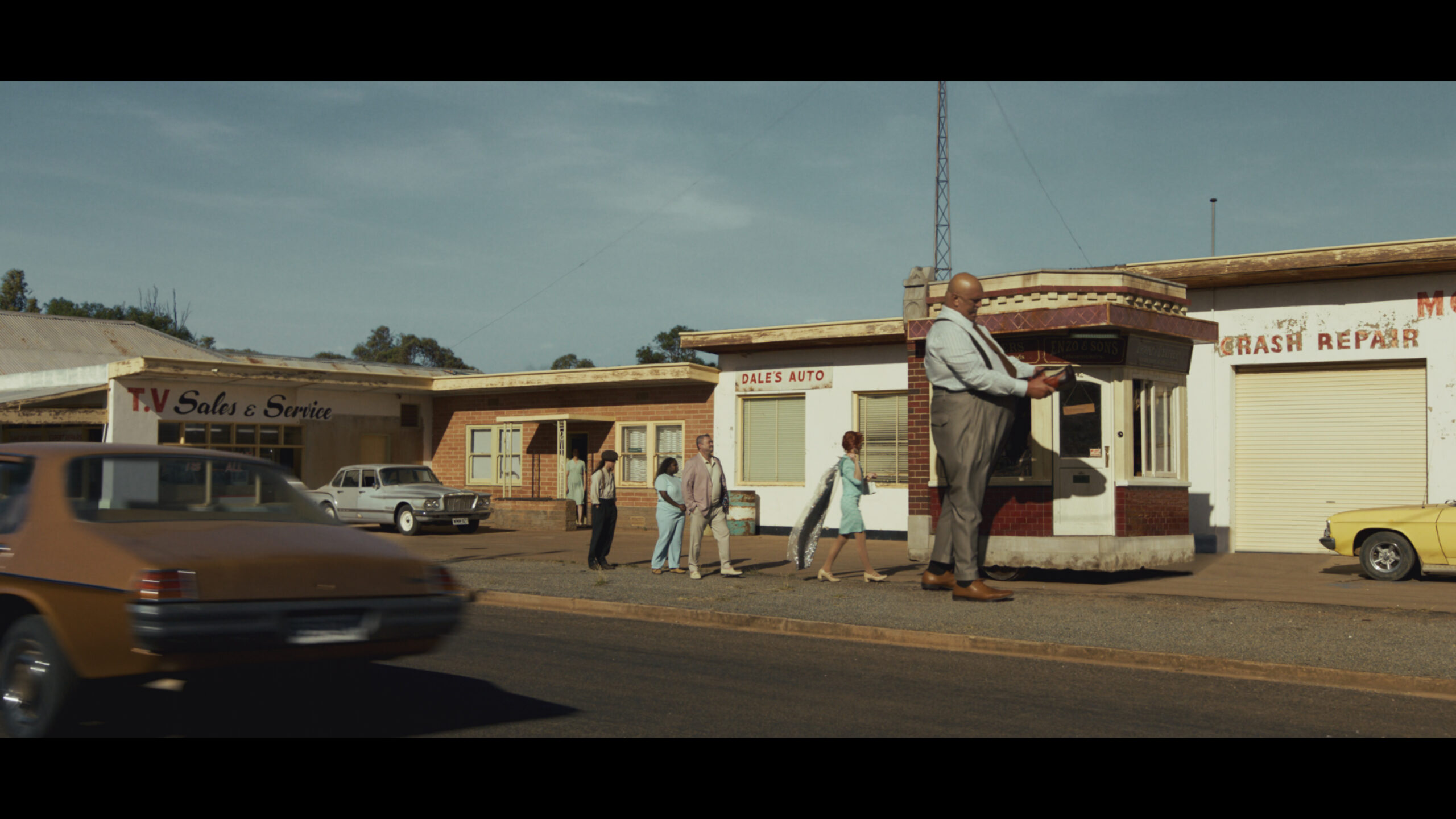
I think it resonated because it felt authentic without being clichéd. The care that went into creating each character and the towns they represented came from genuine local knowledge, and audiences could feel that
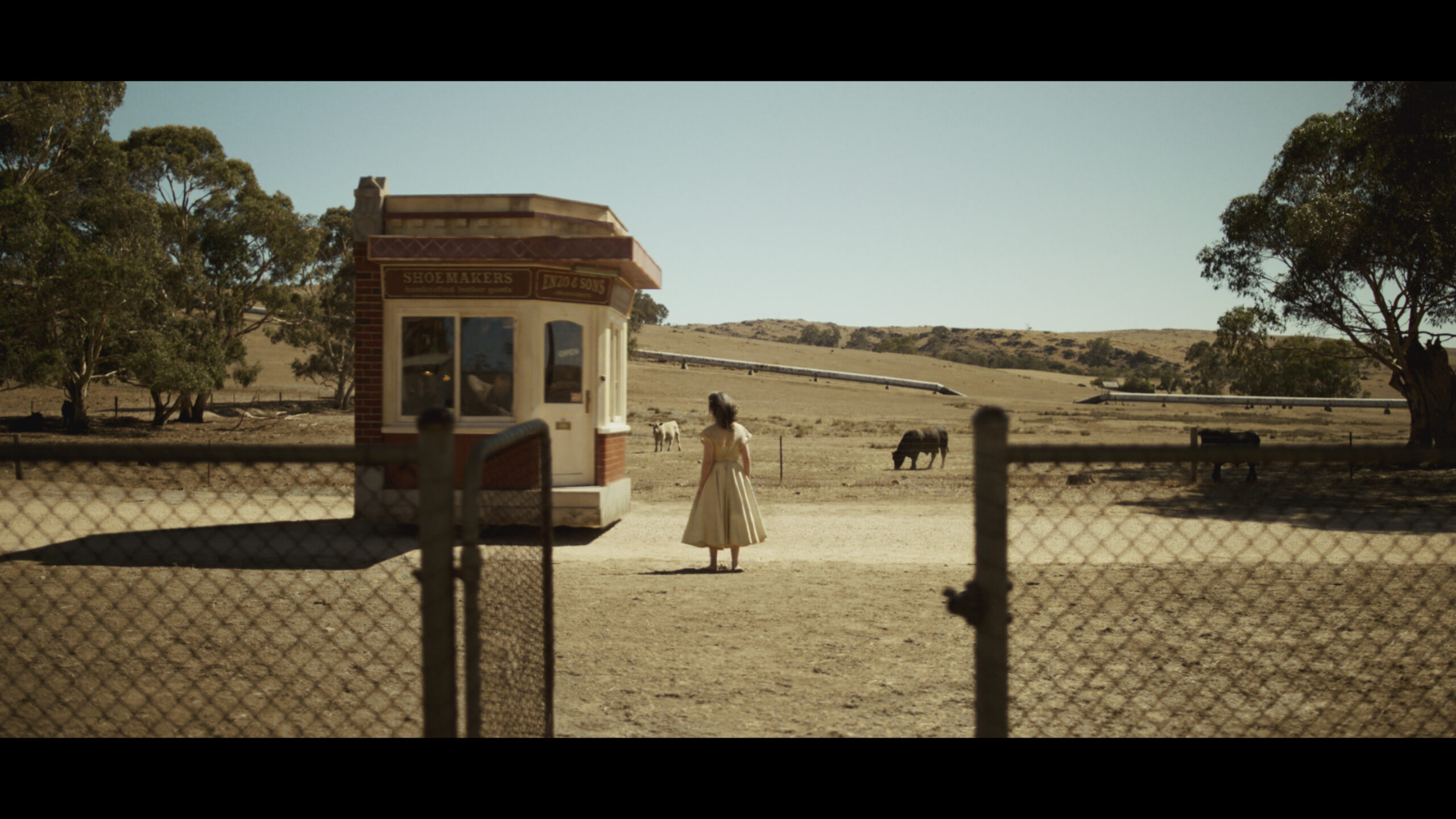
The approach itself was also distinctly Australian. Rather than creating a single chest-beating campaign about scale, we told the story through 26 small films celebrating the lesser-known parts of Australia Telstra helps connect. There’s an inherent charm, humility and humour in that approach.
Ironically, what made the campaign travel probably wasn’t trying to make it universally appealing. The more detailed and authentic the characters and places became, the more relatable they felt. People may not have known the towns, but they recognised the personalities, quirks and a sense of community behind them.
In the age of technological efficiency, the cost of craft might come into question. Why, in your opinion, should brands continue to value craft excellence?
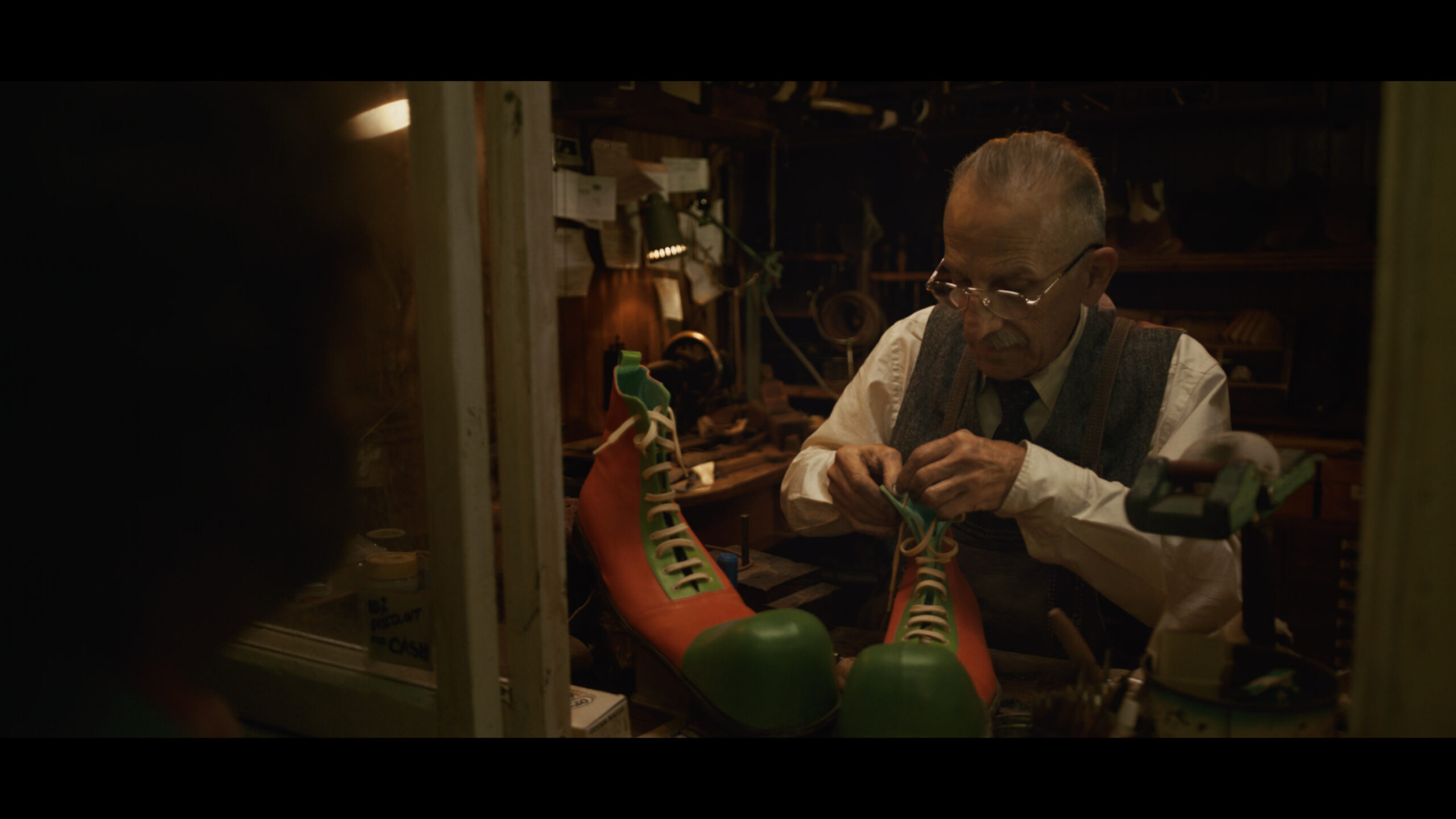
Craft is ultimately about caring. It’s the effort you put into something beyond simply getting it done. People notice that, and we’ve seen it reflected in how they perceive our brand.
Of course, the level of ambition will vary depending on what you’re making. But valuing how you make things can become a distinctive attribute of your brand in itself. In a world increasingly optimised for efficiency, care and attention can be powerful differentiators.
We’ve consistently seen the payoff in both the impact of the work and the business results it delivers. For us, valuing craft isn’t just a creative choice, it’s a business decision.
In a changing industry ecosystem, can you tell us how you’re manoeuvring emerging opportunities to deliver Award-winning work?
We approach new technology with curiosity rather than fear, always asking whether it strengthens what makes the brand distinctive rather than distracting from it.
New technologies may create opportunities to work faster and explore ideas in different ways, but efficiency is only valuable if it creates more room for imagination. The real question is whether it enables better thinking, better creativity and better solutions to solve for our customers and business.
Ultimately, technologies will continue to change, and we remain open to the opportunities they create. Knowing that the biggest risk is brands becoming increasingly interchangeable because everyone has access to the same tools and uses them in the same way.
How can the industry better support young talent for the workplaces of 2026 and beyond?
I’m a big believer in mentoring and mentoring programs. Find a program, or a person, you can feel psychologically safe with, and be willing to be vulnerable enough to learn, grow and develop. It will accelerate your trajectory in ways few other things can.
And help them get off the machines and out of the meetings. Encourage young talent to meet people, read actual books, listen and observe behaviour, pause before asking AI. The more connected we are to the real world, the more interesting our ideas will be.
Finally, what’s a piece of advice you were given when starting out that still bears weight today?
Have fun. Try to find the fun. Anyone who knows me knows you can hear my laugh from about four floors away. If I haven’t properly laughed in a day, that’s usually a good indicator that something’s off.
What we do is hard work, much harder than ‘marketers and advertisers’ get credit for, but it should also be joyful. Good advice to me was to try find the joy in the problems we get to solve, the work we get to create or the people we get to do it with. Otherwise, what’s the point?